When lingerie fits the body in the room, not the body in a billboard, the whole conversation gets better.
If you have ever stood in front of a mirror and wondered whether lingerie is supposed to feel empowering, intimidating, or like a tiny compliance exam, you are not alone. People usually come to this topic with the same handful of questions: Does anything in this drawer actually fit me? Why do the ads look like they were cast by one very narrow algorithm? Can lingerie be sexy without asking my body to audition for a role it never wanted? And why does the “nude” section still act like one skin tone owns the word?
The good news is that lingerie is getting more honest. A 2004 study on thin-ideal media exposure found that idealized images can increase body dissatisfaction and lower self-esteem, while a 2022 study on body-positive Instagram content found the opposite pattern: more body appreciation and body satisfaction after exposure to body-positive posts. In other words, representation is not just decoration. It is part of the fit.
That matters in lingerie because lingerie sits right on the border between comfort, identity, and confidence. A bra that fits well can feel like a small but useful piece of engineering. A brand that shows one body type, one skin tone, and one “acceptable” silhouette can make shopping feel like a hallway with no doors. In this article, I will walk through what body positivity means in lingerie, which brands are doing the work, why representation changes how people feel about themselves, and how the right pieces can turn a “maybe later” purchase into a quiet little self-respect ritual. If you want more context about the site behind these articles, the About Koni-Art page is the short version, and the blog index is where the rest of the conversation lives.
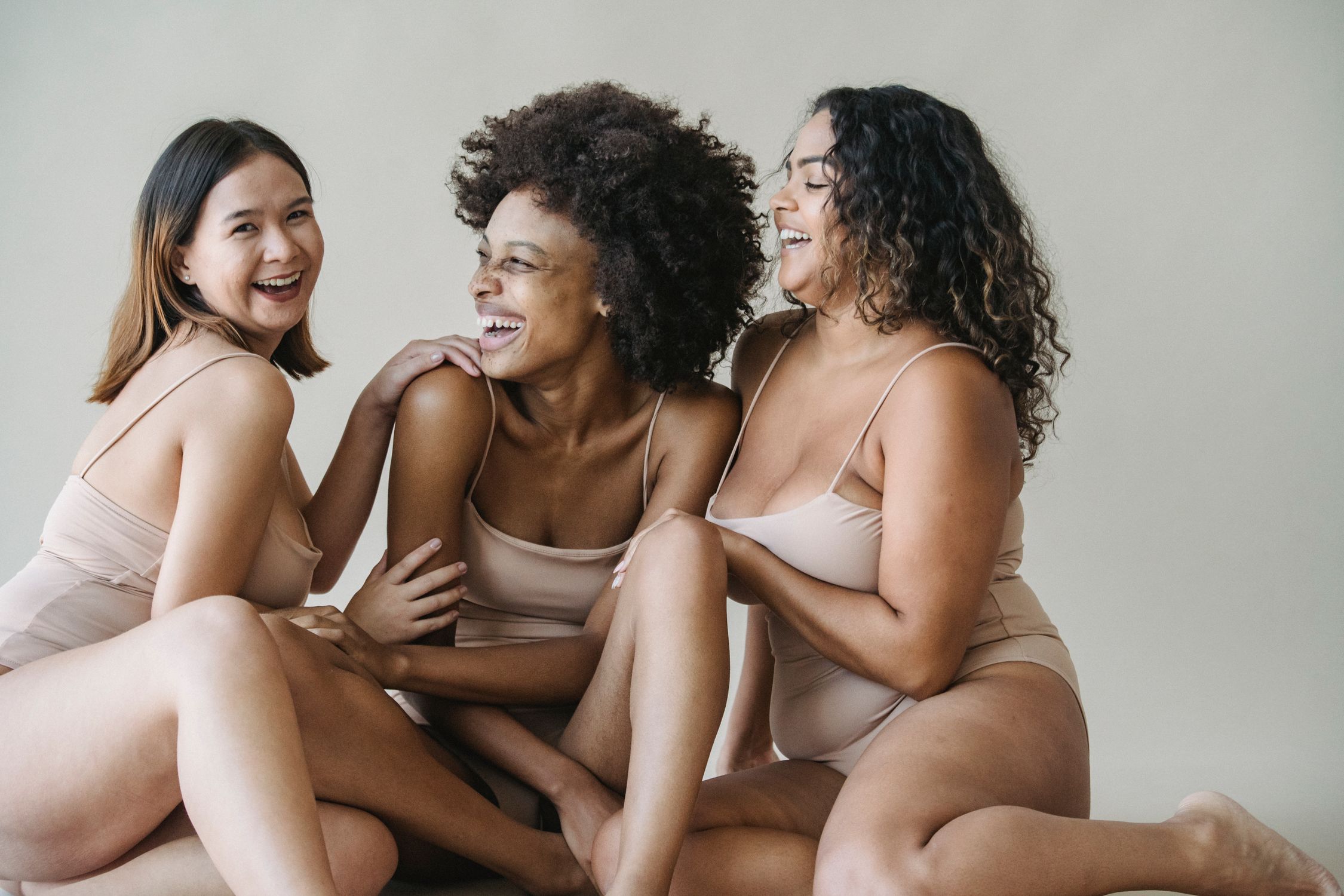
What Body Positivity Means Here
Body positivity gets tossed around so often that it can start to sound like a slogan printed on a candle. In practice, it means something simpler and more useful: making room for real bodies, real fit needs, and real preferences without treating any of them as a problem to be solved.
In lingerie, body positivity shows up in four very practical ways:
- Inclusive sizing so the range is broad enough to be genuinely useful, not just cosmetically broad.
- Representation in campaigns, product photos, and sizing guides, so shoppers can see bodies like theirs.
- Design for comfort through better straps, bands, cups, closures, and fabrics that do not fight the wearer all day.
- Language that respects choice by avoiding the old “fix your flaws” tone that makes shopping feel like a before-and-after exercise.
That last point matters more than people think. Lingerie is not only about looking polished for a special occasion. It is also about how it feels to get dressed on an ordinary Tuesday. If a piece slides, pinches, or only works when you stand like a museum statue, the product has already lost the plot.
Body positivity also overlaps with body neutrality. Not every shopper wants a pep talk in lace. Some people simply want underwear that fits, supports, and disappears under clothes. That is still a win. The point is not to force every purchase into a grand emotional monologue. The point is to remove the friction that tells people their bodies are the problem.
Why Representation Changes the Mood
When ads show only one body type over and over, they quietly teach shoppers what is “supposed” to count as desirable. That teaching is powerful because it happens fast and visually. You do not need a seminar for it to land; you need five seconds and a scroll feed.
The research above is useful because it shows that the effect is not imaginary. Exposure to thin-ideal images has been linked to worse mood, more dissatisfaction, and lower self-esteem, while body-positive content has been linked to better body satisfaction. That is a pretty simple map: the images we consume can either tighten the shoulders or let them drop a little.
For lingerie brands, this means visual representation is not a side quest. It is part of product trust. If a customer sees models with different cup sizes, skin tones, ages, and body shapes, she is more likely to believe the brand understands the actual market. If every image looks like the same template with different lipstick, the brand may still sell something, but it will not feel as welcoming.
There is also a practical side. Representation helps shoppers predict fit. A bralette can look completely different on a fuller bust than on a smaller frame. A high-waist brief can feel sleek and reassuring on one person and ride differently on another. Photos that show different bodies are not just inclusive theater; they are useful product information.
What the best campaigns get right
The best lingerie campaigns do not merely add one “diverse” image and call it a day. They build a consistent visual language where size inclusivity, skin-tone range, and styling choices all point in the same direction. That consistency matters because people notice when inclusion is only present in one corner of the site and absent everywhere else.
Here is the mental shortcut I use: if the campaign says “everybody,” the size chart, model selection, and product range should not whisper “unless you are awkwardly specific.” The whole thing needs to line up.
Brands That Embrace Inclusivity
Not every brand solves the same problem in the same way, and that is fine. Some lead with body diversity. Some lead with fit technology. Some lead with shade ranges. The important part is that they make inclusivity visible in the product and the marketing, not just in a manifesto footer nobody reads.
| Brand | What they do well | Why it matters |
|---|---|---|
| Aerie | Long-running body-positive campaigns, retouch-free visuals, and a clear “real body” tone. | It helped mainstream the idea that intimate apparel can be marketed without airbrushing every human wrinkle into witness protection. |
| Savage X Fenty | Inclusive sizing, bold styling, and a brand identity built around confidence rather than apology. | It shows that “sexy” does not have to mean one body type and one pose forever. |
| Knix | Comfort-forward lingerie, broad sizing, and a clear emphasis on how pieces feel on the body. | It reminds shoppers that support and comfort are not the boring cousin of style. They are style’s quiet partner. |
| ThirdLove | Well-known for fit-first messaging and broad bra sizing. | Useful for shoppers who want the “this actually fits me” experience without a scavenger hunt. |
| Parade | Playful colors, soft fabrics, and a size range that aims to feel friendly rather than clinical. | It speaks to people who want underwear that feels approachable instead of like a stern appointment. |
What these brands share is not a single aesthetic. In fact, that is the point. Aerie leans into approachable, everyday body confidence. Savage X Fenty leans glamorous and bold. Knix leans comfort-first and practical. Together they make the larger argument that lingerie can serve more than one kind of wearer and more than one kind of mood.
That range is important because customers do not wake up as one fixed brand persona. Some days they want delicate lace. Some days they want a wire-free bra that behaves itself. Some days they want black satin, some days cotton, and some days they want the lingerie equivalent of “please do not touch me, I am trying my best.” Inclusive brands leave room for all of it.
How Representation Shows Up in Product Details
Representation is not only about who appears in the campaign. It also shows up in the little boring magic that actually helps someone buy the thing.
- Size charts that make sense and do not feel like puzzle levels.
- Model notes that identify size, height, or fit information when it helps shoppers compare.
- Multiple photos of the same item on different bodies or from different angles.
- Honest product descriptions about support, stretch, coverage, and opacity.
- Shade names that do not pretend beige is the only starting point in the universe.
Think of it like restaurant menus. If the menu only names the ingredients once the plate is already in front of you, you are doing a lot of guesswork. Good lingerie product pages reduce guesswork before checkout. That is respectful, and it is also good business.
In other words, inclusive lingerie is not only a visual trend. It is a service design choice. It says, “We expect your body to be here, not hidden in the margins.” That message has practical value for shoppers who are tired of sizing roulette.
How Lingerie Can Boost Self-Esteem
Confidence is not a magic spell that appears the minute a person buys a lace set. If only. But the right lingerie can absolutely change how someone moves through the day. A comfortable bra can reduce distraction. A well-cut bodysuit can smooth out a silhouette without squeezing the life out of it. A matching set can make an ordinary outfit feel more intentional, even if nobody else sees it.
The key is fit. When something fits well, the body stops spending all day negotiating with the garment. That frees up mental space. You are not constantly adjusting straps or wondering whether the band has launched a personal rebellion. Tiny chaos drains energy. Good fit gives some of it back.
That is why body positivity and lingerie are such a strong pair. When a brand respects the body first, the lingerie can do its job quietly in the background. And when the wearer feels seen, there is less pressure to make every purchase into a transformation story. Sometimes the win is just: “I put this on, and I felt like myself, only more put together.”
Three small testimonials that sound very familiar
These are the kinds of things people tend to say when lingerie finally stops fighting them:
“I used to think lingerie was only for people with one specific body. Finding a set that actually fit me made the whole category feel usable instead of performative.”
“The first time I wore a bra that really fit, I stopped thinking about my chest every ten minutes. That alone felt like a luxury service.”
“I do not need lingerie to fix my confidence. I just need it to stop insulting my ribs.”
Those lines are funny because they are true in a very ordinary way. A lot of intimate apparel frustration comes from mismatch, not failure. The body is not the problem. The product either works or it does not.
It also helps to retire a few old myths. One myth says body-positive lingerie has to be plain, beige, and emotionally available to no one. Another says sexy only counts if it looks difficult. A third says better fit somehow makes a piece less beautiful. These are all tiny little gremlins dressed as opinions. In reality, comfort and style can share a hanger. Support can be flattering. And a good bra is not a moral achievement; it is just a piece of clothing doing its job quietly, which is refreshing in a world full of overpromising interfaces.
Once you stop treating lingerie as a referendum on your worth, shopping gets lighter. You can ask better questions. Does this piece fit my actual body? Does the brand respect different shapes? Does the product page give me useful information instead of dreamy fog? That shift sounds small, but it changes the whole experience from performance to purchase.
How To Shop With Body Positivity In Mind
If you want to apply this mindset the next time you shop, keep it simple. Do not let the fitting room become a courtroom.
- Check the size range first. If your size is absent, the brand is not yet speaking your language.
- Look for multiple body types in the photos. One image says style; several images say information.
- Read the fit notes. Support, stretch, and coverage matter more than glossy adjectives.
- Choose the feeling you want. Do you want sculpted, soft, structured, playful, or nearly invisible under clothes?
- Buy for your life, not for a fantasy fitting room. If you need all-day comfort, do not let a lace fantasy bully you into regret.
There is also permission here to be selective. You do not have to love every brand’s vibe. You do not have to wear the most daring thing in the drawer. You do not even need to think of lingerie as a big identity statement if that is not your thing. For some people it is romance. For others it is utility. For many it is both, depending on the weather and their patience level.
Where The Industry Is Heading
The encouraging part is that the lingerie conversation is expanding beyond one old standard. More brands are talking about fit, accessibility, adaptive design, and representation. More shoppers are expecting visible diversity instead of treating it like a bonus feature. And more product teams are realizing that the customer base is not a single silhouette with a single mood.
That shift does not mean the job is done. There is still a lot of lazy marketing in the wild, and plenty of “inclusive” campaigns that vanish the second you click into the product catalog. But the direction is better than it used to be. The market is learning that inclusion is not a niche. It is closer to baseline competence.
If you want a very plain-English version: people feel better when they can see themselves, shop their size, and trust the fit. That is not a radical philosophy. It is just a more adult version of commerce.
Conclusion: Celebrate the Shape In Front Of You
Lingerie and body positivity work well together because both are ultimately about relationship. The relationship between a person and their body. The relationship between a shopper and a brand. The relationship between style and comfort when neither one is allowed to bully the other.
Inclusive lingerie brands are showing that confidence does not have to be one-size-fits-all. Aerie, Savage X Fenty, Knix, and others are making the case that representation, fit, and design belong in the same room. The research says representation matters. Shoppers say fit matters. And the body, stubborn little miracle that it is, simply wants to be treated like it belongs.
If this topic gives you a tiny spark to rethink your own drawer, start small. Choose one piece that fits well. Choose one brand that actually shows bodies like yours. Or browse a few more posts on the blog and keep building the mental shortcut: the best lingerie is not the pair that argues with your body. It is the pair that makes room for it.