Lingerie changes how a day feels before anyone else sees it. That is the quiet part people often miss. A well-fitting set can soften the edge of a rushed morning, steady the shoulders before a difficult meeting, and make someone feel more settled in their own skin. It does not need to be dramatic to matter. In fact, the best pieces usually work because they are almost invisible once they are on.
When people look for lingerie advice, they are usually asking a few deeper questions: What will make me feel more confident? What will be comfortable all day? What style feels like me instead of like a costume? Those questions are worth taking seriously, because clothing can affect mood in ways that are more psychological than practical. The idea of enclothed cognition is one helpful way to think about it: what we wear can influence how we carry ourselves, even when the garment is hidden.
This matters because lingerie sits close to the body and close to the feelings people have about the body. It can support, reassure, and occasionally frustrate. A pair of straps that stays put, a band that does not bite, or a fabric that feels calm against the skin can change the tone of the whole day. For readers who want a broader context on the brand and its approach, the About Koni-Art page explains the site in more detail, and the blog is where related style and confidence topics live together.
In this article, I will look at how lingerie affects self-image, what real confidence stories usually sound like, and how to choose pieces that feel supportive rather than distracting. The goal is not to tell you what you should wear. The goal is to help you notice what helps you feel most like yourself.
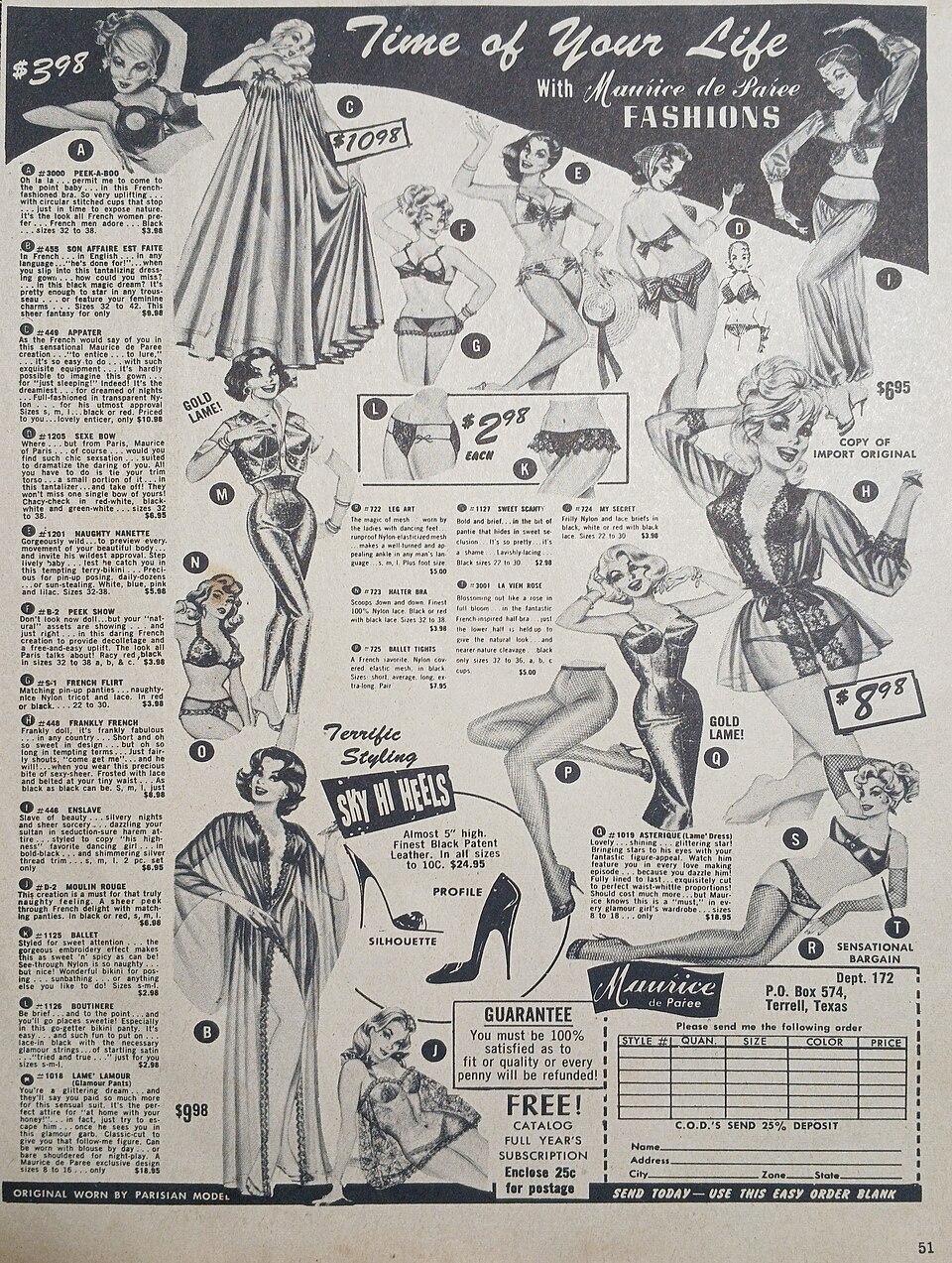
How lingerie affects self-image
Self-image is not just a mirror issue. It is a daily relationship between the body, the mind, and the stories a person tells themselves. If a bra rides up, if a seam twists, or if a cup feels wrong, the body becomes a task list. The wearer notices every adjustment. That constant checking can chip away at ease and make confidence feel harder to access.
By contrast, lingerie that fits well tends to disappear into the background. That is not a small thing. When the body is not asking for repairs every few minutes, attention can move back to work, conversation, movement, and rest. The result is often a quieter kind of confidence, the kind that does not need to announce itself.
The subject is closely tied to body image, which is why the body image overview is useful here. It reminds us that how a person sees their body is shaped by experience, culture, and self-talk, not just by measurements. If low self-esteem has been part of the picture, the NHS has a grounded guide on raising low self-esteem that keeps the advice simple and practical.
Different lingerie styles can evoke different feelings, and those feelings matter. Not because one style is morally better than another, but because the emotional effect can be very different from person to person. Here is a simple way to think about it:
| Style or feature | What it often feels like | When it can help confidence |
|---|---|---|
| Seamless basics | Quiet, smooth, dependable | Busy days when you want less to think about |
| Lace or decorative details | Personal, expressive, a little playful | When you want your outfit to feel intentional even if no one sees it |
| Supportive everyday sets | Secure, steady, practical | Long workdays, travel, or any day that asks a lot of the body |
| Soft cotton or modal pieces | Calm, familiar, easy to wear | Days when comfort matters more than structure |
| Special-occasion lingerie | Deliberate, expressive, a bit elevated | Moments when you want a small private boost |
The question is not which category is best in the abstract. The better question is: which one helps you stop thinking about your underwear and start living your day?
Personal stories and testimonials
The most convincing lingerie stories are usually not grand. They are ordinary, and that is why they feel real. A person gets dressed for a presentation and realizes they are not fidgeting. Someone else wears a set that fits their body instead of fighting it, and the mood of the morning changes from defensive to calm. Another person keeps one favorite set in the drawer for the days when they need a small reminder that they are still themselves.
Those are the moments that people often describe in testimonials, whether they say it out loud or only notice it privately. The garment did not create confidence from nothing. It removed friction. That distinction matters. Confidence is often not a sudden transformation. It is the result of fewer interruptions, fewer adjustments, and fewer reminders that something is wrong.
“I thought I needed a dramatic style to feel confident, but what really changed things was choosing a set that stayed comfortable through a full day. I stopped tugging at it, and I stopped thinking about my body quite so critically.”
“I have a larger bust, so I used to treat lingerie like a compromise. Once I found pieces with real support, the difference was immediate. I stood differently. I relaxed more. I felt like the garment was working with me.”
“On hard days, I choose something soft and familiar. It is not about impressing anyone. It is about starting the day with one choice that feels kind.”
That last idea connects to the broader meaning of lingerie itself. For a useful historical and cultural overview, the lingerie entry shows how these garments have long carried both practical and emotional meaning. They are clothing, yes, but they are also part of how people signal care to themselves.
The effect can vary across body types and style preferences. A person who prefers light shaping may feel more secure in a smooth microfiber set. Someone who likes more softness may feel better in cotton with a little stretch. A reader who wants a more expressive look may reach for lace, satin, or a deeper color. None of those choices is wrong. What matters is the relationship between the garment and the wearer.
The role of lingerie in empowerment
Lingerie can be a form of self-expression, but it can also be a form of self-care. That is a useful distinction. Self-expression is about saying something. Self-care is about making the day easier to carry. Sometimes a garment does both at once, and that is often where the sense of empowerment comes from.
Empowerment, in this context, does not need to be loud. It can be the simple decision to wear a piece because it feels right for your body and your schedule. It can be choosing support on a long day, color on a day that feels flat, or softness when your nervous system is already tired. There is a kind of dignity in that kind of choice.
It also helps to be honest about what lingerie cannot do. It cannot solve body image struggles on its own. It cannot fix a hard week or erase self-doubt. But it can be one small setting in a larger environment of care. That is enough for many people. If confidence has felt hard to reach lately, the NHS guide on low self-esteem is a useful reminder that confidence is often built through repeatable habits, not just inspiration.
Here are a few practical ways lingerie can support confidence in everyday life:
- Choose a fit that does not require constant adjusting.
- Keep one dependable everyday set for work, errands, and travel.
- Keep one set that feels special, even if no one else sees it.
- Test how a piece feels after a full morning, not just in the fitting room.
- Pay attention to texture, because comfort is often what confidence feels like first.
A useful rule of thumb is this: if lingerie makes you fidget, it is probably taking more than it gives. If it lets you forget about it, that is usually a sign that it is doing its job well. Confidence does not always arrive as a feeling. Sometimes it arrives as less friction.
How to choose lingerie for confidence
Choosing lingerie for confidence is less about chasing the most flattering label and more about noticing how different options affect your body and mood. That means fit comes first, then fabric, then style. A piece that looks lovely but leaves you tense is not a confidence piece for you, even if it photographs well. The reverse is also true: a simple set that feels great can become a quiet favorite very quickly.
If you want a clear process, start with these questions:
- What am I trying to feel today: supported, relaxed, playful, or polished?
- Will I be sitting, moving, traveling, or standing for most of the day?
- Do I want my lingerie to disappear under clothing or add a private style note?
- What fabric feels best on my skin when I am tired, warm, or busy?
- Which pieces make me stop adjusting and start moving?
Those questions are practical, but they are also psychological. They shift the focus away from comparison and toward lived comfort. That shift is often where confidence starts to grow.
The following checklist can help narrow the choice:
| If you need… | Look for… | What to avoid |
|---|---|---|
| All-day support | Stable bands, smooth seams, straps that stay in place | Anything that rides up or pinches after a few minutes |
| More softness | Cotton, modal, or other breathable fabrics | Rough lace or stiff trims that irritate the skin |
| A confidence lift | A color or detail that feels personal and intentional | Styles chosen only because they are trendy |
| A smoother silhouette | Seamless construction or a shape that suits the outer outfit | Bulky seams that change how clothing sits |
If your wardrobe needs are changing, that is normal. Bodies change. Seasons change. Routines change. The right lingerie often changes with them. A piece that was perfect last year may no longer be the best fit now, and that is not a failure. It is just information.
Why this psychology matters in real life
The emotional effect of lingerie is easy to dismiss until you notice how often it shapes daily behavior. People stand a little taller when they feel supported. They worry less about visible lines when the fit is smooth. They may choose a different top, dress, or posture because the foundation underneath feels better. Those changes seem small, but they affect how a person enters a room and how much of their attention is available for other things.
That is why I keep returning to the same idea: lingerie is not just a hidden layer. It is part of the day’s structure. When the structure is comfortable and intentional, the person wearing it often feels more composed. That does not mean every outfit has to be romantic or polished. It only means the layers closest to the body deserve the same care as the outer ones.
For readers who want to keep exploring related style and confidence topics, the blog is the easiest place to continue, and the About Koni-Art page gives more context about the site itself. The larger lesson is simple: when the hidden layer feels right, the visible layer often follows.
What a good fitting session feels like
A lot of confidence problems start in the fitting room, so it helps to know what a useful fitting session actually looks like. The goal is not to leave with a perfect answer on the first try. The goal is to leave with a better understanding of what your body is asking for.
A good fitting session usually feels calm rather than rushed. The piece should sit where it is supposed to sit without you having to brace for it. You should be able to breathe normally, lift your arms, bend a little, and sit down without immediately wanting to remove it. If the garment fails those basic checks, the problem is not you. The garment simply is not the match.
Confidence often shows up in small clues during a fitting:
- You notice the garment less after a few minutes, not more.
- You stop holding your breath when you stand up straight.
- You do not need to keep checking straps, cups, or hems.
- You can picture wearing it through a normal day, not just a five-minute mirror test.
- You feel more settled when you imagine it under real clothing.
That kind of practical testing matters because confidence is built in real conditions, not ideal ones. The piece needs to survive sitting at a desk, walking through a store, or running late for a train. If it works there, it is much more likely to support a good mood once the day starts asking for things.
There is also a psychological benefit to giving yourself permission to be selective. Many people buy lingerie by habit, by sale price, or by appearance alone. Slowing down long enough to ask, “Does this actually help me feel better?” can be a small act of self-respect. It turns lingerie shopping from a guessing game into a decision that reflects care.
Reassessing your drawer over time
One of the most overlooked parts of lingerie confidence is maintenance. Not maintenance in the repair sense, but maintenance in the “does this still serve me?” sense. A drawer full of pieces that once fit but no longer feel right can quietly drain confidence. Reassessing every so often keeps the drawer honest.
You do not need to overhaul everything at once. Start with the items you reach for most often. Ask which pieces feel reliable, which ones need to be retired, and which ones should be replaced with something that better matches your current needs. That simple review can make getting dressed feel lighter almost immediately.
In practice, this is where lingerie becomes a habit of confidence rather than a one-time purchase. The point is not to keep collecting. The point is to keep choosing well.
Conclusion
Lingerie affects confidence because it shapes how the body feels before the rest of the world has a chance to weigh in. It can support self-image, reduce distraction, and create a small but meaningful sense of care. For many people, that is enough to change the tone of the day.
The most useful question is not whether lingerie should be empowering in some abstract sense. The more practical question is: which pieces help you feel calm, supported, and quietly assured? The answer will be personal. It may include seamless basics, lace, cotton, or a special set reserved for days that need a little extra grace.
If you remember only one thing, let it be this: confidence often starts with comfort, and comfort begins with choosing pieces that respect your body instead of asking it to perform.