Lingerie lasts longer when care becomes a system instead of a rescue mission. A few small decisions at wash time, drying time, and storage time usually matter more than any miracle detergent or last-minute repair.
Most readers come here with the same practical questions. Should you hand-wash everything, or is that advice too absolute to be useful? Which fabrics are genuinely delicate, and which ones just need a gentler routine? How do you store bras, briefs, slips, and lace pieces without crushing shape or weakening elastic? And when does “I can still wear this” quietly become “this piece is done”? The best fit is usually the one that survives real life.
The care side of lingerie is more technical than it first appears. A garment may combine lace, mesh, hooks, elastic, foam, silk, cotton, or synthetic blends in one small piece, and each material responds differently to heat, friction, and moisture. That is why reading the care label and understanding basic laundry symbols are such reasonable defaults. The label is not there to sound stern. It is there because construction choices have consequences.
By the end of this guide, you will have a practical decision framework for washing, drying, storing, and replacing lingerie. You do not need an elaborate routine. You need a repeatable one that protects shape, stretch, and fabric finish with the least amount of unnecessary wear.
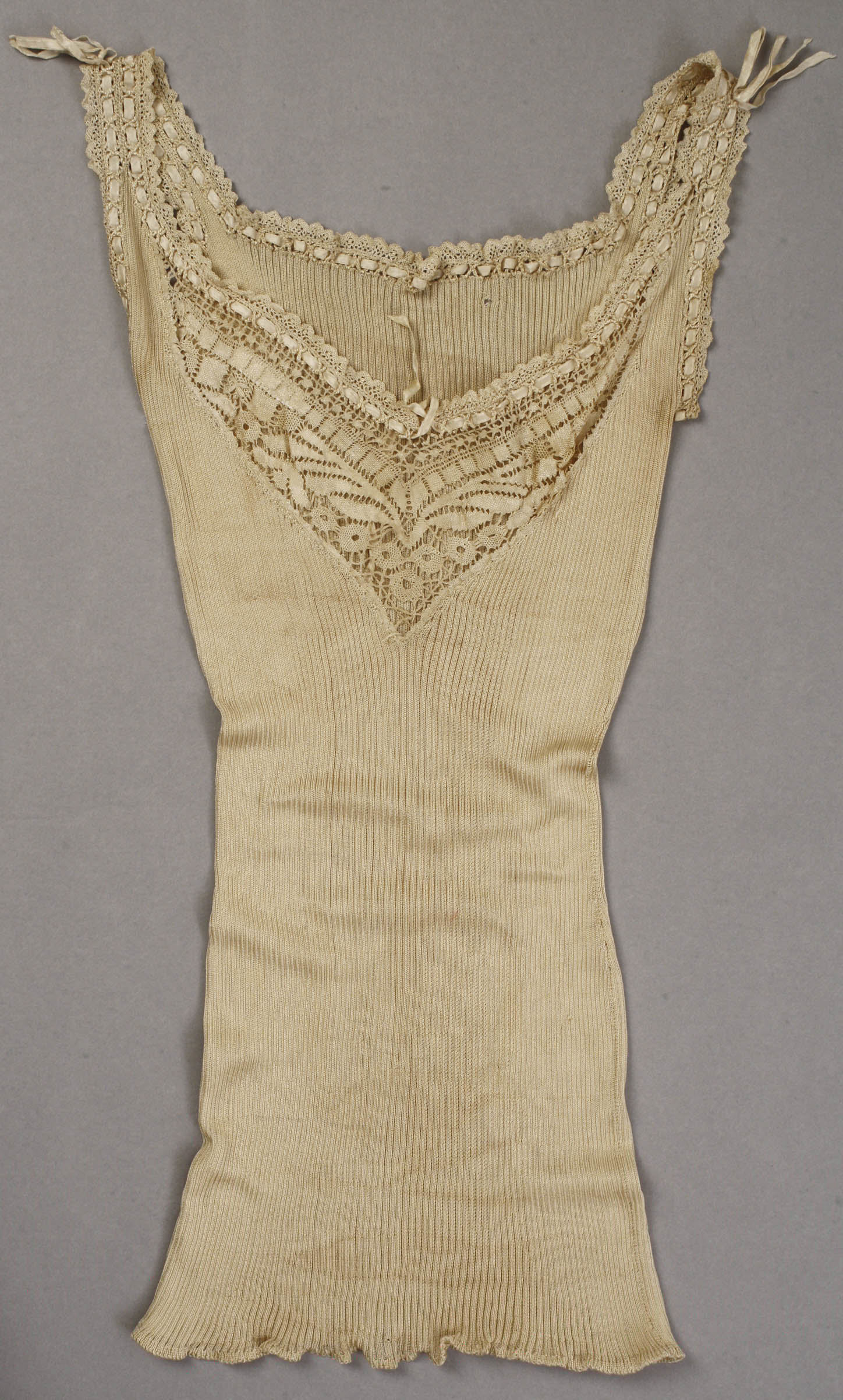
Start with the care label, not guesswork
Lingerie care gets easier once you stop treating the entire drawer as one category. A cotton bralette, a silk camisole, a molded underwire bra, and a lace bodysuit do not face the same risks. Some lose shape under heat. Some snag from rough zippers. Some tolerate a gentle machine cycle surprisingly well. Some really do want hand-washing. The label is the first sorting tool.
Three terms are worth keeping straight before moving further:
- Delicates: pieces that are more likely to be damaged by agitation, friction, twisting, or high heat. Lace, mesh, silk, and structured bras usually fall into this group.
- Elastic recovery: the ability of stretch fibers to return to shape after wear and washing. Once recovery is lost, support and fit usually decline fast.
- Fiber blend: the mix of materials in a garment. A brief may look like cotton on the outside and still rely on elastane for stretch and shape retention. A camisole may include silk or synthetic lace that changes the care requirements completely.
The useful rule is simple: care for the most delicate part of the garment, not the strongest part. If a bra has sturdy straps but fragile lace cups, the lace sets the washing standard. If a slip feels durable overall but has fine trim or an unstable dye finish, that trim sets the standard. This is less romantic than improvising, but it is much cheaper.
How to sort lingerie before washing
Sorting saves more garments than detergent choice. It prevents abrasion, dye transfer, strap twisting, hook snags, and the kind of laundry friction that slowly makes intimate pieces look tired before their time.
I recommend sorting by four criteria:
- Fabric sensitivity: Put silk, lace, mesh, embroidered pieces, and structured bras in a more protected group than cotton basics or sturdier lounge pieces.
- Color depth: Separate dark dyes, bright colors, and whites or pale neutrals when the fabric is new or the dye seems unstable.
- Hardware risk: Hooks, sliders, underwires, and decorative fasteners can scrape or catch other items. Fasten hooks before washing and isolate pieces that are especially prone to snagging.
- Soil level: A lightly worn bralette should not be washed with gym wear, heavily soiled items, or towels. The difference in friction alone is reason enough.
If you are short on time, the safest reasonable default is this: place machine-safe lingerie in a mesh laundry bag, keep it away from jeans, towels, and heavy zippers, and run a cold delicate cycle. That is not the gold-plated answer for every fabric, but it is a much better baseline than throwing intimate pieces into a mixed load and hoping the drum will behave itself.
Washing tips that preserve shape and stretch
There is no prize for washing lingerie more aggressively than necessary. The goal is clean fabric with minimal agitation, minimal heat, and minimal chemical roughness. For most drawers, that means fewer harsh products and less mechanical stress.
1. Use a mild detergent and a small amount
Delicate fabrics do not benefit from detergent overload. Too much product can cling to fibers, stiffen lace, and leave residue in elastic zones. A small amount of mild detergent is usually enough because lingerie loads are light and close-fitting garments tend to release soil with less effort than bulkier items.
2. Hand-wash the pieces that have the most to lose
Hand-washing makes the biggest difference for underwire bras, silk pieces, embroidered styles, and lingerie with thin lace overlays or fragile trims. Use cool water, gentle squeezing rather than wringing, and a short soak when needed. Think of hand-washing as controlled contact rather than scrubbing. The garment is not a pan that needs to be persuaded.
3. Use mesh bags for machine-safe delicates
A mesh bag is the most practical compromise for people who will not hand-wash regularly, which is to say most people with normal schedules. It reduces tangling, limits strap stretching, and helps prevent hooks from catching other fabrics. Close bra hooks before the bag goes into the washer so the hooks do not treat the rest of the load as a challenge.
4. Choose cold water and the delicate cycle
Cold water is usually the safest default because it reduces stress on elastic, lowers the chance of dye migration, and avoids the “slightly cooked” feel that delicate synthetic blends can develop after repeated warm washes. A delicate cycle matters for the same reason: less force, less twisting, fewer collisions.
5. Skip bleach and be careful with fabric softener
Bleach is usually too harsh for intimate fabrics, trims, and color finishes. Fabric softener can also be counterproductive because it may coat fibers and interfere with the breathability or recovery of stretch materials. If a garment feels rough after washing, the answer is more often gentler treatment than more chemical assistance.
The table below gives a reasonable starting point for common lingerie types.
| Piece type | Safest default | Main risk to watch for | When to upgrade care |
|---|---|---|---|
| Underwire bra | Hand-wash or mesh bag on cold delicate | Warped wire, stretched band, misshaped cups | Any lace overlay, foam cup, or expensive fit piece |
| Bralette | Cold delicate in a mesh bag | Elastic fatigue and strap twisting | Very fine lace or silk blend fabric |
| Briefs and thongs | Cold delicate, sorted by color | Elastic edge wear and snagging | Sheer mesh panels, embroidery, or silk content |
| Silk camisole or slip | Hand-wash in cool water | Water spotting, abrasion, shape distortion | Any trim, lace inserts, or bias-cut construction |
| Bodysuit | Cold delicate with hooks secured | Twisting, snap damage, strap stretch | Structured cups or mixed delicate fabrics |
That table is not law. It is a decision shortcut. If the label is stricter than the table, follow the label. If the garment is expensive, hard to replace, or difficult to fit, choose the more protective route even if the label allows more flexibility.
Drying tips: heat is the usual villain
If washing causes the first half of most damage, drying causes the second. High heat is particularly hard on elastic, adhesives, foam shaping, and delicate trim. A dryer may feel efficient in the moment, but it often collects payment later in the form of stretched bands, curled edges, faded color, and cups that no longer sit correctly.
The safest reasonable default is air-drying. Press excess water out with a towel if needed, reshape the garment with your hands, and lay it flat or hang it in a way that does not distort its weight balance. That last point matters. Hanging a wet bra by one strap is an elegant way to teach a strap the wrong geometry.
Use these drying rules as a baseline:
- Never wring out bras, slips, or lace pieces. Twist is damage.
- Lay molded cups flat so they dry in the shape you want to keep.
- Keep delicates away from radiators, direct high heat, and strong sun for extended periods.
- Let bands and elastic dry fully before folding into drawers, or trapped moisture may create odor and fiber fatigue.
If you absolutely must use a dryer for sturdier basics, reserve that choice for pieces whose labels clearly allow it and keep the heat low. Even then, consider it the compromise option rather than the ideal one. Lingerie usually does better with time than with force.
Storage solutions that reduce wear between washes
Storage is where many otherwise careful routines quietly fail. People wash delicates gently, then compress them into overcrowded drawers, fold molded cups inside out, stack heavy items on top of silk, or let hooks roam loose across everything nearby. Wear does not only happen in the washer.
A better storage system does three things: protects shape, limits snagging, and makes rotation easier. The more visible the options are, the less likely you are to overuse the same pieces simply because they sit at the top of the pile.
For bras
- Store molded or padded bras with cups nested naturally rather than folded into each other.
- Fasten hooks before placing bras in a drawer so they do not catch lace, mesh, or knit fabric nearby.
- Give structured pieces enough space that cups are not crushed flat under heavier items.
For briefs, thongs, and softer basics
- Use drawer dividers or small bins to separate everyday basics from special fabrics or sets.
- Keep heavily textured lace away from snag-prone trims, jewelry, or loose hardware.
- Rotate categories so the same three pairs are not carrying the entire workload by habit.
For slips, bodysuits, and silk or lace pieces
- Fold lightly and avoid sharp creases where possible.
- Store in a breathable drawer or on padded hangers if the garment’s shape benefits from hanging.
- Keep fragrances, oils, and rough accessories away from delicate fabrics during storage.
If your drawer looks organized for one day and chaotic by the end of the week, simplify the system. A perfect method you will not maintain is less useful than a modest one you will repeat. The same logic shows up in design and care alike: order is only valuable when it survives ordinary behavior.
For readers who want more background on the brand’s design approach, the About Koni-Art page gives useful context on the site’s lingerie focus, and the Recent posts and care guides on the blog are the right place to watch for related fit, styling, and fabric articles.
How often should you wash lingerie?
This depends on the piece and the way you wear it. Briefs should generally be washed after each wear. Bras can often go several wears if they were not exposed to heavy perspiration, provided they are rotated and allowed to rest between uses. Slips, camisoles, and lounge pieces depend on contact level, climate, and how close they sit to the skin.
The decision criteria are straightforward:
- Close skin contact: the more direct the contact, the more frequent the wash cycle should be.
- Climate and activity: heat, sweat, and long wear windows shorten the safe interval.
- Fabric sensitivity: delicate pieces can be washed less aggressively, but not indefinitely less often.
- Garment rotation: repeated back-to-back wear stresses elastic even before laundering enters the story.
A useful compromise for bras is to rotate them, air them out between wears, and wash them before oils and body residue build up enough to dull the fabric or reduce comfort. Waiting until a bra looks visibly tired is usually later than ideal.
Signs it is time to replace lingerie
Good care extends lifespan, but it does not create immortality. Replacement decisions are easier when you focus on function first and appearance second. A beautiful piece that no longer supports, lies flat, or feels comfortable has usually crossed the line already.
Watch for these signs:
- Band stretch that does not recover: if a bra band feels loose even on the tighter hooks soon after washing, the elastic may be past its useful life.
- Cups that wrinkle, collapse, or shift shape: this often means the structure has broken down or heat has done cumulative damage.
- Underwires that poke, twist, or migrate: once structure fails here, repair is rarely the best long-term answer.
- Lace or mesh that snags repeatedly: one snag is a warning; repeated snags usually mean the fabric is becoming fragile overall.
- Elastic edges that curl or fray: briefs and bralettes often show end-of-life here before they show it anywhere else.
- Persistent odor or stiffness after proper washing: residue buildup and fiber fatigue sometimes become permanent.
If the piece is still sentimental or visually appealing, keep it for occasional light wear only if it remains comfortable and functional. Otherwise, replacement is the better decision. Keeping a failing bra in rotation usually costs more in daily annoyance than it saves in money.
Common care mistakes that shorten lifespan
Most lingerie damage comes from repetition rather than one dramatic accident. The same avoidable errors show up again and again: washing delicates with rough fabrics, using more detergent than the load needs, letting damp items sit too long, and treating the dryer as a universal shortcut. None of those choices look catastrophic on day one. They become expensive through accumulation.
Three mistakes deserve extra attention. First, over-washing with too much force wears out elastic faster than many readers expect. Second, heat at any stage changes the feel and recovery of stretch fibers long before a garment looks visibly ruined. Third, poor rotation means the same favorite bra or bralette absorbs most of the wear while better-preserved pieces stay untouched in the drawer. The best fit is usually not the pair you own. It is the pair you have not exhausted out of convenience.
A reasonable default is to simplify the decision path: wear, air out, sort, wash gently, dry without heat, and rotate. When a routine is easy to repeat, the drawer tends to age more evenly and replacement decisions become less frantic.
A simple care routine that works for most drawers
If you want the shortest version of this article, use this routine:
- Read the label and sort by delicacy, color, and hardware risk.
- Fasten hooks and place machine-safe items in a mesh bag.
- Use a mild detergent, cold water, and the delicate cycle.
- Hand-wash silk, heavily laced pieces, and hard-to-fit bras.
- Air-dry everything delicate and reshape cups and bands before they dry.
- Store bras with cups intact, separate soft basics from snag-prone fabrics, and rotate wear.
That routine will not satisfy every luxury-fabric purist, but it is a strong real-world default. It respects the materials, reduces the most common forms of damage, and is realistic enough to repeat. A routine only works if it survives weekdays.
Conclusion
Lingerie care is less about perfection than about reducing avoidable damage. Wash less harshly, dry without heat, store with shape in mind, and replace pieces when function has clearly declined. Those are not glamorous rules, but they are the ones that usually preserve fit and finish over time.
Key points to keep in mind:
- Read the care label and treat the most delicate part of the garment as the standard.
- Cold water, mild detergent, mesh bags, and air-drying are the safest defaults for most lingerie drawers.
- Storage affects lifespan almost as much as washing does, especially for bras and lace pieces.
- Replace lingerie when support, recovery, or comfort is clearly gone, not only when the damage becomes dramatic.
- Choose the safest reasonable default for your schedule and repeat it consistently.
If you are updating your drawer one decision at a time, start with the pieces you wear most often. Better care applied to your highest-use items will produce the fastest and most noticeable return.