Introduction: lingerie as culture, craft, and language
Lingerie is more than undergarments. Across the world, it reflects what a community values—comfort, modesty, celebration, sensuality, faith, theater, or even everyday practicality. When you compare styles from different countries and eras, you’re really comparing stories: how people express identity under their clothes.
This article celebrates that variety. You’ll see common patterns, regional design signatures, and the practical reasons lingerie looks the way it does—fabric choices, climate, daily routines, and social expectations. If you’re shopping, this can help you choose pieces that feel right for your body and your life, not just for a trend.
Learn more about Koni-Art and the craft mindset behind thoughtfully made lingerie.
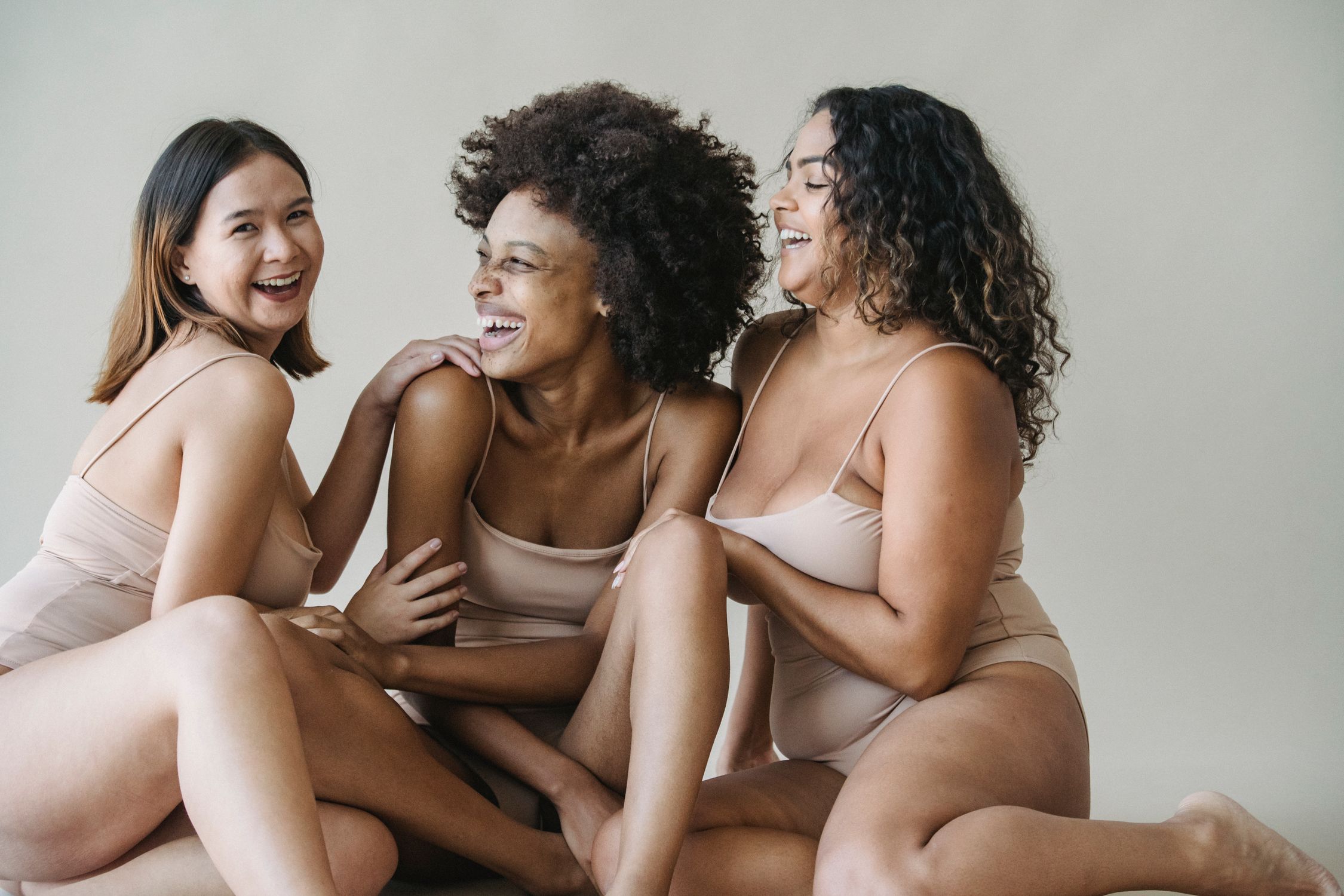
Unique styles from around the world
There isn’t a single “global” lingerie look. Instead, designers balance silhouette, coverage, and decoration differently depending on culture and occasion. Here are a few recognizable style directions readers often notice:
1) European-inspired lace and structured sets
In many parts of Europe, lingerie traditions emphasize craftsmanship—lace patterns, tailored cups, and waist-defining details. You’ll often see:
- Delicate lace overlays with breathable linings
- Underwire or supportive shaping for a defined silhouette
- Sets designed to match—bras, briefs, and sometimes corsetry-inspired pieces
In practice, this tends to suit shoppers who want support and “put together” structure while still keeping fabrics soft against the skin.
2) Festival and occasion pieces that lean bold
In cultures where public celebrations are expressive, lingerie may play a starring role. The goal isn’t always secrecy; sometimes it’s confidence, movement, and a matching aesthetic for a larger outfit. Look for:
- Statement colors and high-contrast trims
- More decorative straps, bows, and embroidery
- Materials chosen for stage or event comfort—sturdy enough for movement, gentle enough for long wear
3) Comfort-first silhouettes shaped by daily life
In warmer climates or communities where layering is common, lingerie often prioritizes daylong comfort. You’ll see design trends like:
- Soft bralettes, wide bands, and seamless comfort
- Breathable fabrics and minimal irritation seams
- Practical coverage that works under everyday clothing
These choices can be a good baseline even if you’re buying for special occasions—comfort is what gets worn again.
4) Modesty-influenced designs with thoughtful coverage
Where modesty expectations are strong, lingerie design often focuses on coverage without sacrificing beauty. Common signals include:
- Higher-rise briefs or more opaque fabric choices
- Neckline-friendly bra styles with smoother edges
- Subtle lace placement (for example, along hems rather than across large panels)
The underlying idea is the same everywhere: feel like yourself, confidently, in your own boundaries.
Cultural significance: what lingerie can communicate
Different cultures use lingerie to communicate different messages. Sometimes it’s personal confidence. Sometimes it’s romance. Sometimes it’s tradition—worn for rites of passage, weddings, or seasonal celebrations. And sometimes it’s simply about comfort and self-respect.
Even within one culture, the meaning can vary by context:
- Everyday wear: fit, breathability, support, and reliability
- Intimacy: comfort plus confidence—pieces that feel good when it matters
- Ceremony: coordinated sets, refined trims, and intentional finishing
- Self-expression: color, texture, and silhouette as identity language
A useful lens is to ask a simple question: Is this piece meant to be felt, seen, or both? That answer helps you choose the right level of coverage and decoration.
Influence of globalization: why styles blend—and how to choose wisely
Globalization has changed lingerie faster than almost any other fashion category. Online shopping means a customer in the U.S. can buy a style inspired by European lace, a comfort-driven silhouette from another region, or an occasion look designed for a festival wardrobe.
That’s good news—variety is a form of inclusion. But it also creates a practical challenge: sizing and fit expectations may not match. When cultures and brands blend, “standard fit” can drift.
A quick, low-drama fit checklist
- Measure yourself (and re-measure if you’ve changed sizes). Fit starts with accurate dimensions.
- Check the band stability. A band that rides up can ruin comfort fast.
- Test cup fit. Look for gaping or pinching—both are signals to try a different style or size.
- Consider fabric behavior. Some textiles stretch differently and can change how a piece sits throughout the day.
For readers who want a baseline on lingerie sizing behavior and bra terminology, general guidance from resources like Bra (Wikipedia) can help explain common bra components and fit terms.
For broader fashion care basics—how washing and drying routines affect fabric longevity—see guidance from CDC/NIOSH workplace laundry and textile handling recommendations (useful as general textile-care context, even outside occupational settings).
You can also explore more comfort-and-craft posts in Recent Posts.
Conclusion: diversity is the point
When you treat lingerie as culture rather than just a product category, you stop looking for one “correct” style. You start looking for the style that matches your body, your comfort needs, and the way you want to feel.
Whether your taste leans toward lace and structure, festival boldness, everyday softness, or modest coverage, the best choice is the one you can wear—confidently—again and again.
Note on sourcing: This post is written for broad cultural education and practical shopping inspiration. Specific fit, fabric, and coverage vary by brand and model.