Why lingerie is more than a drawer full of lace
Lingerie sits at a funny intersection: part wardrobe essential, part style signal, part tiny mood board you wear under real clothes. That mix is exactly why lingerie styles look different around the world. A bra or slip can reflect climate, culture, body ideals, local dress codes, and the current fashion appetite for comfort that does not pinch, poke, or audition for a villain role.
Today, lingerie is also showing up more visibly in fashion. Recent coverage from Vogue and Vogue points to lingerie as identity and styling language, not just hidden support. That shift makes the category feel less like a rules committee and more like a choose-your-own-adventure with better fabric.
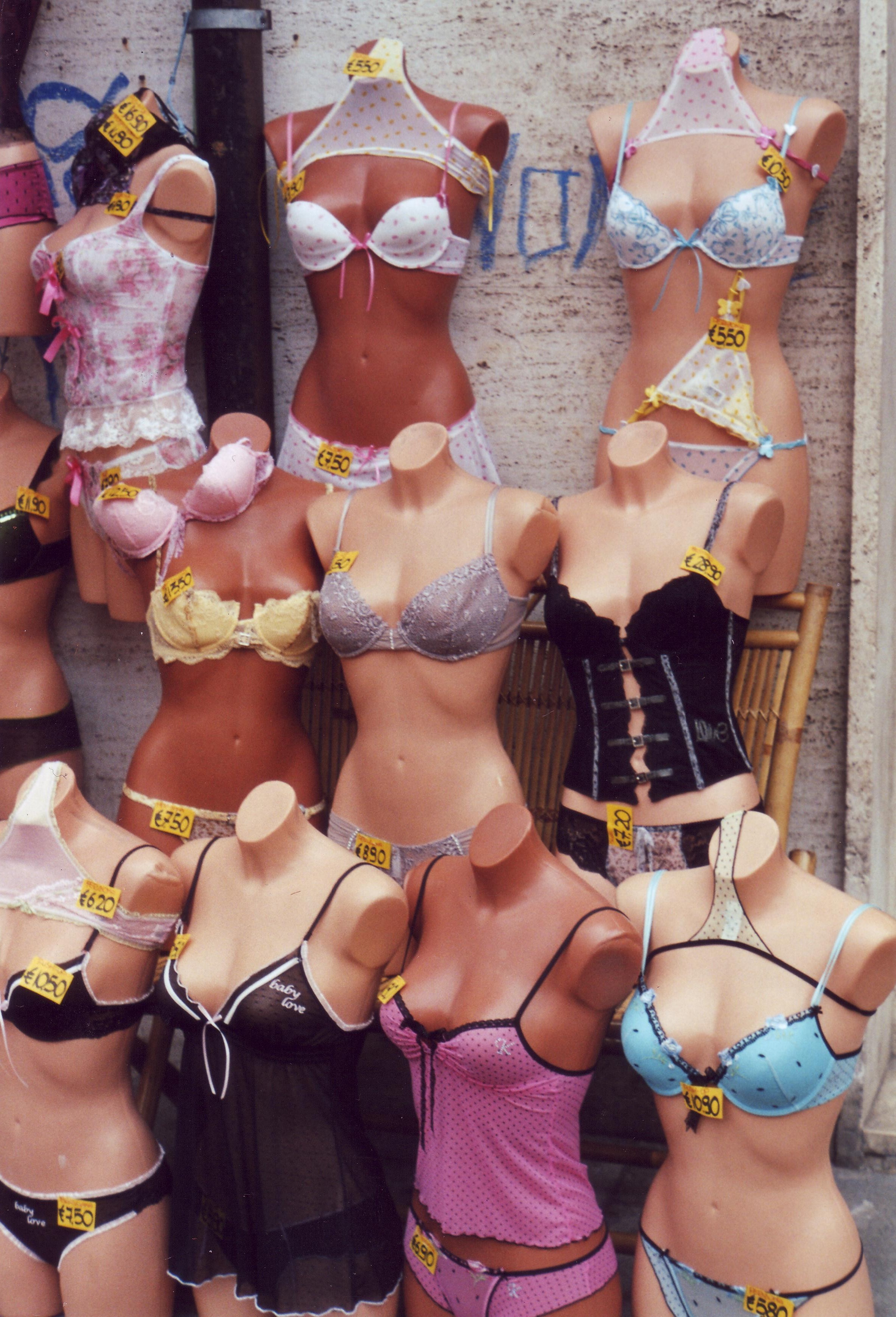
How regional style preferences differ
There is no single global lingerie mood. In some markets, shoppers lean toward minimalist pieces with smooth lines and invisible finishes. Elsewhere, romantic details like lace, embroidery, and softer silhouettes are part of the appeal. In many places, shaping garments, supportive cuts, and everyday comfort are the real stars of the show.
That variety is normal. Lingerie often follows local fashion habits: what people wear on top, how clothes fit the climate, and how much visibility undergarments are allowed to have in public style. A one-size-fits-all view would flatten a very interesting category into a cardboard cutout.
What drives those differences
Several practical forces shape lingerie choices:
- Climate: lighter fabrics, breathable blends, and moisture-friendly construction tend to matter more in warm regions.
- Dress codes: where clothing layers are thinner or more fitted, seamless construction and smooth cups often become more popular.
- Body ideals: local beauty standards can influence which silhouettes are marketed most heavily.
- Retail habits: some markets favor department-store fitting culture; others lean more on boutiques, direct-to-consumer brands, or online shopping.
There is also a historical angle here. The Metropolitan Museum of Art’s look at linen and undergarments is a good reminder that intimate apparel has always been tied to material culture, not just trends. Even the quietest bra is part engineering, part social history.
How the modern market is changing
The big shift now is not just aesthetic; it is emotional. Shoppers want lingerie that feels good on real bodies, during actual weekdays, in the middle of a long meeting, or on a day when underwire is simply too much drama. Comfort-led brands have grown because they solve a real problem: beautiful things should not also be a punishment.
Market research from Euromonitor points to comfort and inclusivity as major market drivers, while Statista shows the category remains large and active worldwide. In practice, that means more size ranges, more softer silhouettes, more wireless options, and more color stories that go beyond the old binary of basic beige versus theatrical black.
Celebrities and fashion editors also help normalize lingerie-inspired styling. When a bra can be the outfit, it changes the conversation from concealment to composition. The trick is that the best modern pieces still prioritize wearability, not just headline power.
What to look for when shopping internationally
If you are browsing lingerie from different regions, keep an eye on the details. Small construction choices often reveal a lot:
| Feature | What it usually signals | Why it matters |
|---|---|---|
| Seamless cups | Minimal visibility under clothing | Useful for fitted tops and smooth layering |
| Lace overlays | Decorative or romantic styling | Often chosen for visual texture and special-occasion wear |
| Wide bands | Added support and stability | Can improve comfort for longer wear |
| Light mesh or breathable blends | Warm-weather friendliness | Helps reduce heaviness and heat build-up |
| Extended sizing | Broader inclusivity | Makes fit less of a lottery and more of a fit |
Fabric matters too. Cotton and modal feel casual and easy; lace and satin lean more decorative; microfiber often disappears cleanly under clothes. If you want more detail on fabric tradeoffs, this site’s practical fabric guide is a useful companion read.
How to choose lingerie for personal style and everyday wear
The best lingerie is the piece you forget about for the right reasons. Start with fit, then move to function, then to style. Ask yourself a few boring-but-brilliant questions: Will I wear this all day? Does it work under the clothes I already own? Does the silhouette match how I want to feel?
For everyday wear, prioritize straps that stay put, bands that do not dig, and materials that breathe. For fashion-forward looks, you can play with texture, color, or visible layering. For comfort-first days, soft bras, bralettes, or wireless options are often the tiny-but-useful answer.
It also helps to shop with your life in mind, not an imaginary version of it. The lingerie drawer is not a museum exhibit. It is a working system.
Cultural variety is part of lingerie’s appeal
Lingerie is interesting because it carries so many jobs at once: support, style, identity, mood, and cultural nuance. Regional preferences shape what people buy, but modern trends are making the category more open, comfortable, and inclusive than before. That is good news for anyone who wants their underwear to feel less like a compromise and more like a well-designed sidekick.
If you want more style ideas, browse the latest articles on the blog, learn more about Koni-Art, or reach out with a question or suggestion. Good lingerie should fit both your body and your life. The romance is nice, but the fit is doing the heavy lifting.