If your lingerie drawer already has the basics, accessories are where the style starts to feel personal. A garter belt, a robe, a chain necklace, or the right pair of heels can change the mood of a set faster than most people expect.
Maybe you are asking a few practical questions: Which pieces add polish without feeling fussy? How do you choose accessories that actually match the lingerie you already own? What works for comfort, what works for romance, and what just looks nice on a hanger? Those are the right questions. The fun part is that the answers are usually simpler than people expect.
Good accessorizing is less about piling on more and more pieces and more about choosing details that support the look you want. One well-chosen layer can make a set feel classic, soft, playful, or a little more dramatic without turning the whole thing into a costume. If you want the background on Koni-Art, start with the About Koni-Art page, and if you like practical style ideas like this one, the blog has more guides worth browsing.
For a few clear terms and examples, Journelle’s beginner’s guide to lingerie is helpful, especially when it breaks out finishing touches like hosiery, garters, and suspender belts. The Met’s essay on Jeanne Hallée is a nice reminder that undergarments and accessories have long been part of the wider fashion conversation, not a separate planet with its own weather.
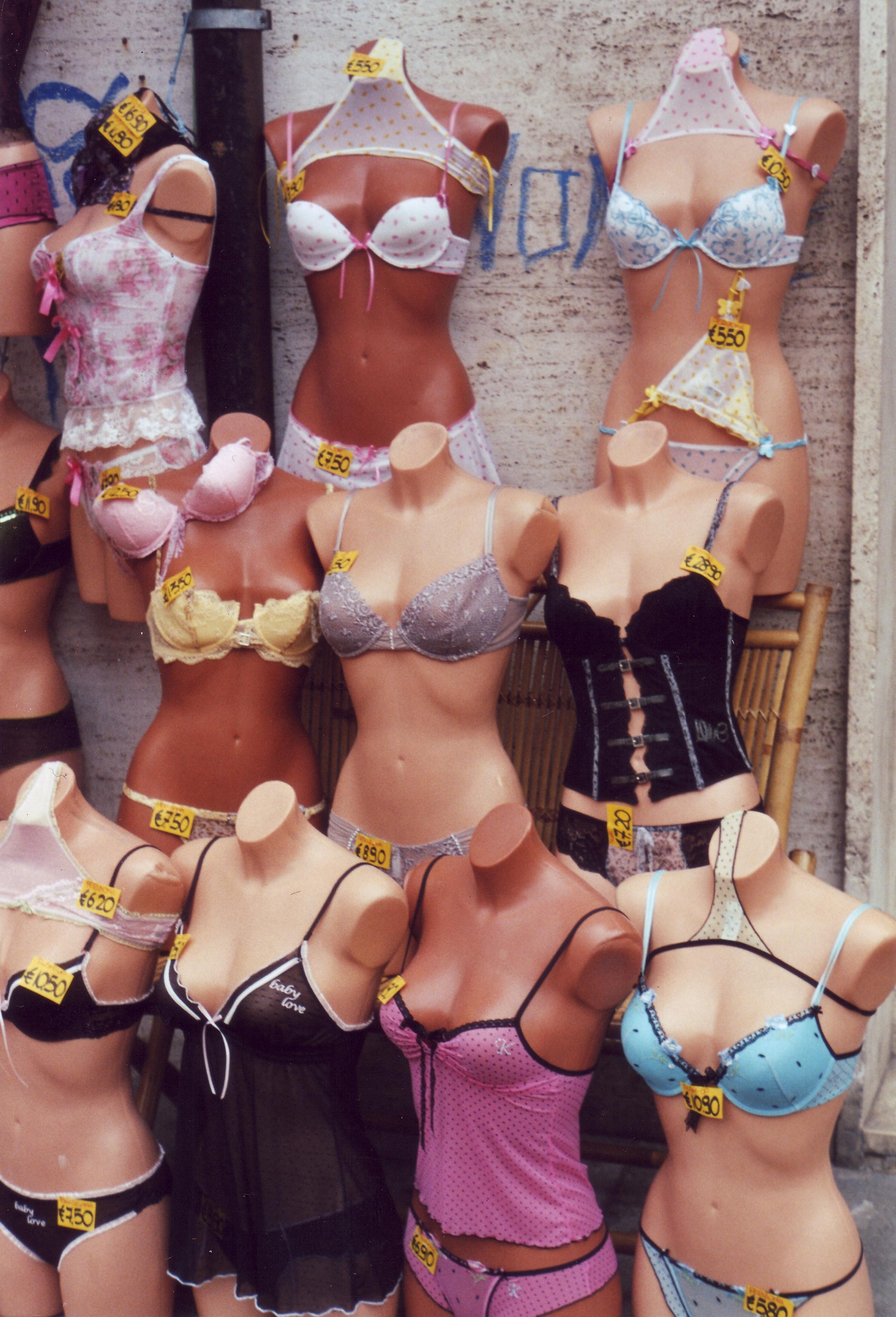
What lingerie accessories actually do
Think of accessories as the finishing pieces that help the main lingerie set do its job. Some add shape. Some add contrast. Some add movement. Some are mostly about mood. A soft robe can calm a look down. A garter belt can make it feel more structured. A small piece of jewelry can give the whole outfit a cleaner finish. None of that is mysterious once you stop trying to make every piece do everything at once.
The easiest way to start is to ask what kind of result you want. Do you want the set to feel softer? Sharper? More romantic? More polished? More relaxed? Once you can answer that in plain language, choosing accessories becomes much easier. The accessory is not there to fight the lingerie. It is there to finish the sentence.
Types of accessories to consider
There are many ways to accessorize lingerie, but a beginner does not need all of them. A few well-chosen pieces will take you much further than a drawer full of impulse buys. If you are building a starting point, the table below is a useful cheat sheet.
| Accessory | What it adds | Best for | Comfort note |
|---|---|---|---|
| Stockings and garters | A classic, finished silhouette | Romantic, vintage, or dressed-up looks | Check the fit at the thigh and waist so nothing slips or pinches |
| Lingerie belts and garter belts | Definition at the waist and a more structured outline | Sets that need shape or a more tailored feel | Choose straps that stay put when you sit, stand, and move |
| Jewelry | Shine, contrast, and a little personality | Simple sets that need one focal point | Keep chains and clasps away from delicate lace when possible |
| Robes and kimonos | Soft coverage and a flowing layer | Relaxed evenings, photos, or a more modest transition layer | Pick a fabric that feels good on bare skin |
| Footwear | Height, posture, or a softer at-home finish | Dressier looks or simple lounging | If you cannot walk comfortably in it, it is not your friend |
Stockings and garters
Stockings are one of the easiest ways to make lingerie feel intentional. They lengthen the leg, add a little texture, and create a classic look that reads as finished instead of accidental. A garter belt gives the stockings a reason to stay in place and adds its own visual line at the waist or hips. That line matters more than people think. It gives the eye somewhere to rest.
This is also where the accessory can do a lot of heavy lifting without needing much else. If your lingerie set is simple, stockings and a garter belt may be enough. If your lingerie is already detailed, choose plain stockings and let the set stay in charge. Journelle’s article on teddy lingerie and how to wear it is a useful example of how a single piece can feel complete when the styling stays clean and focused.
Good rule: when stockings are the star, keep the rest of the look quiet. When the lingerie is the star, treat stockings as the supporting cast. The supporting cast should not try to steal the scene. It is lingerie, not a power struggle.
Lingerie belts and garter belts
Lingerie belts, garter belts, and suspender belts are all about structure. They can define the waist, create a more vintage feel, or make a set look more deliberate. If you enjoy a clean, tailored silhouette, a belt can be the piece that pulls everything together. It gives the outfit a waistline and a point of focus, which is useful when the lingerie itself is very soft or fluid.
Fit matters here more than glamour does. A belt that rides up, digs in, or twists out of place will take over your attention in the wrong way. When you try one on, move around in it. Sit down. Stand back up. Check whether the straps lie flat and whether the clips feel secure. A good accessory should make the outfit easier to wear, not harder.
For readers who want a deeper breakdown of how these pieces work together, Journelle’s guide to garters, hosiery, and suspender belts is a practical reference. It is a reminder that these items are not interchangeable props; they each change the shape and feel of the outfit in a slightly different way.
Jewelry
Jewelry can be the smallest change and still have a big effect. A simple necklace can draw the eye upward. A body chain can trace the shape of the torso. Stud earrings can keep the look clean and calm. A bracelet or ring can add a point of shine without crowding the neckline. The key is to keep the scale in proportion to the lingerie.
If the lingerie already has lace, embroidery, or a lot of trim, plain jewelry usually works best. If the set is smooth and minimal, jewelry can carry more of the visual interest. One easy approach is to choose a single metal tone and repeat it once or twice. That makes the outfit feel coordinated without looking overly matched. Matching is fine. Overmatching is where things get stiff.
Body chains deserve a small note of caution. They look elegant when they sit where they should, but they can tangle with delicate fabrics or shift when you move. If you want to try one, test it with the lingerie first rather than assuming it will behave itself. Accessories rarely behave themselves on the first try. That is part of the bargain.
Robes and kimonos
A robe or kimono is one of the most forgiving accessories you can own. It adds coverage, movement, and a softer transition between being fully dressed and fully in lingerie. It also gives you a way to make the look feel finished without exposing every detail at once. For many people, that makes the whole outfit feel easier to enjoy.
Fabric changes the message. A sheer robe creates a lighter, more floaty impression. Satin feels smoother and more polished. Cotton or modal reads as relaxed and practical. A long kimono can stretch the silhouette, while a shorter robe keeps the look simple and easy to move in. If you are new to accessorizing lingerie, a robe is often the safest first purchase because it works with more than one set.
Try thinking about the robe as the frame around the picture. It should support the lingerie, not hide the entire point of it. If the robe is so dramatic that no one notices the set underneath, the robe has become the main character. That happens. Main characters are hard to manage.
Footwear
Footwear changes posture, height, and energy. Heels can make a look feel dressier. Slippers can make it feel relaxed and homey. Bare feet can make the whole thing seem natural and unforced. There is no single correct answer here. The right choice depends on the mood you want and how long you plan to wear the outfit.
If you are choosing heels, comfort is still part of style. A pair that looks good for thirty seconds but leaves you limping is not a good finishing touch. For a home setting, slippers or simple slides may be the better answer. They keep the look comfortable and still feel intentional. This is one of those places where the practical choice is often the stylish one. That is a nice little trick when it shows up.
How to choose the right accessories
Choosing accessories becomes easier when you work from the lingerie outward rather than the other way around. Start with the set you already have, then ask what it needs. Some lingerie wants a light touch. Some wants structure. Some wants a little sparkle. Some wants almost nothing at all. That is not a problem. It is the clue.
A boutique that turns these choices into client notes or lookbooks may also use AI consulting services to figure out where AI fits before adding another tool to the stack.
Match the style, not the cliché
Color matters, but style matters more. A black lace set does not automatically need black accessories. Sometimes a soft cream robe, a silver chain, or nude stockings work better because they create contrast. On the other hand, a delicate pastel set may look strongest with accessories in the same family of tones so the look stays calm. The goal is harmony, not obedience to one rule.
Texture matters too. If the lingerie has satin sheen, a matte accessory can keep it from becoming too glossy. If the lingerie is mostly mesh or lace, a smoother accessory can give the eye a place to rest. Mixing textures is one of the easiest ways to make a look feel layered, but it works best when there is one clear lead material.
Choose the accessory based on the occasion
A romantic evening, a quiet self-care night, a special photo, and a regular Wednesday at home do not need the same styling. That seems obvious when you say it aloud, but people still forget it. If the occasion is calm and personal, a robe and simple jewelry may be enough. If the occasion is dressier, stockings and a garter belt might make more sense. If the goal is simply to feel good at home, comfort should stay at the top of the list.
It helps to think in terms of intensity. Low intensity means soft layers and minimal hardware. Medium intensity means one strong accent, like stockings or a necklace. Higher intensity means more structure, like a garter belt, jewelry, and footwear that all speak to the same mood. There is no prize for maximum intensity. In lingerie, as in most things, the best choice is usually the one you can enjoy without thinking about it every thirty seconds.
Put comfort and practicality first
A beautiful accessory that hurts, slips, twists, scratches, or overheats will quickly stop feeling beautiful. Comfort is not a backup feature. It is part of the design. Look for straps that stay flat, fabrics that feel good against your skin, and closures that are easy enough to manage without a wrestling match.
Practicality also includes care. If the accessory is delicate, ask whether you are ready to hand wash it or store it gently. If you are not, choose a simpler piece that fits your actual routine. The most flattering wardrobe is the one you can maintain. There is no glamour in a beautiful accessory that lives at the bottom of a drawer because it is too annoying to use.
Three easy ways to build a look
If you like having a starting point, these combinations are simple and flexible. They are not rules. They are just examples that keep you from overthinking the first try.
1. Soft and understated
Choose a lace bralette and matching brief, add a sheer robe, and finish with small earrings or a slim necklace. This is a good choice when you want the lingerie to stay relaxed and the accessories to act like a calm border around it. It is easy, polished, and low pressure.
2. Classic and structured
Choose a bra-and-brief set, add stockings and a garter belt, then keep jewelry simple. This combination works well when you want the look to feel traditional and intentionally styled. The structure comes from the straps and lines, while the jewelry stays in the background where it belongs.
3. Minimal with one focal point
Choose a smooth satin or mesh set, then add one statement piece such as a chain necklace, a long kimono, or elegant heels. The point here is to let one accessory do the talking. A look with one good focal point usually feels cleaner than a look with three competing ideas.
That is also why many stylists build from the middle out: one clear center, then one or two supporting details. If you add everything at once, the outfit can start to feel busy. If you add one piece, look in the mirror, and then decide whether it needs anything else, you usually end up in better shape.
Mixing textures and colors without overdoing it
Color is where many people get nervous, but it does not need to be complicated. You can match accessories to the lingerie, echo one color from the piece, or create a soft contrast. Any of those can work. What tends to go wrong is when every element is trying to be equally loud. That is usually too much noise for such a small outfit.
One easy method is the three-tone rule: choose a main color, a supporting color, and one accent. For example, a black set can be paired with black stockings, a silver necklace, and a soft ivory robe. Or a blush set can be paired with nude accessories and one little gold detail. The exact colors are less important than the fact that they are doing different jobs.
Texture works the same way. A lace set can be grounded with satin. A satin set can be balanced with sheer fabric. A very plain set can handle a richer accessory texture. The trick is to avoid making every piece “special” at the same time. One special piece is elegant. Five special pieces are a parade.
For readers who like history as much as styling, the Met’s Costume Institute fashion plates are a good reminder that fashion has always depended on small, thoughtful details. The whole silhouette changes when the finishing pieces change. That lesson is older than any current trend, which is comforting in its own practical way.
How to make the look feel cohesive
Cohesion is the difference between a set that looks chosen and a set that looks collected by accident. The easiest way to create cohesion is to repeat one idea in at least two places. That might be a color, a fabric, a metal tone, or a shape. For example, if your lingerie includes lace edging, a lace-trimmed robe can echo it. If your set has silver hardware, silver jewelry may make sense. If the lingerie has clean lines, keep the accessories similarly simple.
Another useful habit is to check the whole body, not just the front view. Walk a few steps. Sit down. Turn sideways. Raise your arms. Accessories that look great in one pose but weird in motion are not finished styling choices yet. They are still experiments. There is nothing wrong with that, but it helps to know the difference.
Before you decide you are done, ask one final question: does anything distract from the main idea? If the answer is yes, remove one piece. This is the secret most style advice politely skips. The fastest way to make lingerie look more polished is often to take one thing away.
A few common mistakes to avoid
- Using too many focal points at once. If the lingerie is detailed, the jewelry should probably be quieter.
- Ignoring fit. Straps, clips, and hems should stay where you put them.
- Choosing style over comfort every time. You should be able to move, breathe, and sit without negotiating with your outfit.
- Forcing a theme. You do not need to turn every set into a costume. A clean look is often stronger.
- Buying only for the hanger. If it looks lovely in the closet but never feels right on you, it is not doing its job.
None of that is meant to make styling feel hard. It is mostly a reminder that good accessorizing is practical. It should make the set easier to wear and easier to enjoy. If the accessory creates more friction than confidence, it is probably the wrong one for now.
Conclusion
Accessorizing lingerie is really about finishing the mood you already want to create. Stockings and garters can make a set feel classic. A robe or kimono can soften it. Jewelry can add a little shine. Footwear can shift the energy. The best result is usually not the most complicated one; it is the one that feels natural on you.
Start small if you need to. Add one accessory, look at the whole outfit, and decide whether it needs more. You do not need to build the perfect look in one pass. Most good styling is a series of sensible choices, with maybe one dramatic one when the moment calls for it.
If you want more background on the brand and the rest of the site, visit the About Koni-Art page. If you want more practical lingerie and fashion ideas, keep reading the blog. There is always another useful detail to notice, and fortunately, lingerie is very good at rewarding small, thoughtful adjustments.