Lingerie is never just fabric, and that is exactly why it keeps showing up in feminist conversations. It can feel like comfort, ritual, rebellion, performance, tenderness, or armor depending on who is wearing it and why. If you have ever wondered whether lingerie can be feminist, whether it can still be objectifying, or why the same lace set can mean very different things to different people, this article is for you.
There is a reason the conversation stays alive. “One is not born, but rather becomes, a woman.” That line keeps reminding us that gender is shaped by culture as much as biology. Feminism asks for equal rights and equal dignity, and the UN Women definition of feminism keeps that baseline simple: equal rights and opportunities.
The Council of Europe’s overview of feminism and women’s rights movements adds the longer history of struggle behind that baseline. And the Victoria and Albert Museum’s history of underwear shows how undergarments have always helped shape body ideals, fashion, and social expectations. In other words, the question is not whether lingerie matters. It is how it matters, and for whom.
By the end, you will have a clearer way to think about lingerie without flattening it into either a moral panic or a marketing slogan. We will look at empowerment, objectification, self-expression, inclusive brands, and the historical context that gives this conversation its weight.
What feminism and lingerie mean in this conversation
Before the debate gets tangled, it helps to define the terms in plain language. Feminism, in this article, means a belief that people should have equal rights, equal opportunities, and the freedom to make meaningful choices about their own bodies and lives. Lingerie means the undergarments and intimate apparel people choose for comfort, style, support, sensuality, or all of those at once.
That may sound simple, but the simplicity is useful. It means the real question is not “Is lingerie good or bad?” It is “What does this piece do for the person wearing it, and what pressures are shaping that choice?”
| Term | Working meaning here | Why it matters |
|---|---|---|
| Feminism | A framework that centers equality, agency, and dignity. | It asks whether the wearer is choosing, not simply being chosen for. |
| Lingerie | Intimate apparel worn close to the body. | It can shape posture, comfort, confidence, and identity. |
| Empowerment | A sense of agency, confidence, or ease. | It often appears when fit and choice align with the wearer’s needs. |
| Objectification | Being treated as an object for someone else’s view or use. | It becomes a problem when attention overrides the wearer’s own experience. |
| Self-expression | Using clothing to communicate mood, taste, identity, or boundaries. | It helps lingerie become personal instead of purely prescriptive. |
This is where the conversation becomes more interesting than the old “sexy versus modest” binary. Many people choose lingerie because it is private and no one else needs to approve. Others choose it because it feels beautiful in a way that plain basics do not. Some choose it for support, some for softness, some for a change in posture, and some because a specific color or cut feels like a small claim on the day ahead.
Empowerment vs. objectification
Lingerie can be empowering because it returns the decision to the wearer. A bra that fits well, a bralette that does not dig in, or a set that makes someone feel aligned with their own taste can be more than a purchase. It can be a quiet correction to years of being told what should flatter, hide, lift, compress, or distract.
That is one reason the language around fit matters so much. A garment that supports a body without trying to erase it can create a different relationship with dress. The wearer is not performing a body ideal; they are meeting their own body where it is. That distinction sounds small until you have lived inside clothes that pinch, slide, or flatten you into discomfort.
At the same time, lingerie can also be objectifying. That happens most clearly when the meaning of the garment is controlled by outside gaze rather than inside choice. If a woman is told that she must wear lace to be desirable, or if a brand sells “confidence” while quietly narrowing the body types it shows, the promise of empowerment starts to look fragile. The problem is not lace itself. The problem is coercion dressed up as style advice.
The Victoria and Albert Museum’s work on underwear history is useful here because it reminds us that clothing has long been tied to ideas about morality, body shape, and social order. Corsets, bustles, and modern shapewear all tell some version of the same story: bodies are often pressured to serve fashion ideals instead of their own comfort. Feminist criticism pushes back against that pressure, but it does not demand that women give up beauty. It asks who controls beauty and at what cost.
A simple test
When I try to separate empowerment from objectification, I come back to a few practical questions:
- Did I choose this because it feels like me, or because I was told it should?
- Does it support my body, or only my image?
- Would I still value it if no one else ever saw it?
- Does it leave room for comfort, movement, and changing moods?
If the answers keep pointing back to choice and ease, the piece is probably serving the wearer. If they keep pointing toward pressure, performance, or insecurity, the relationship is more complicated.
Lingerie as a form of self-expression
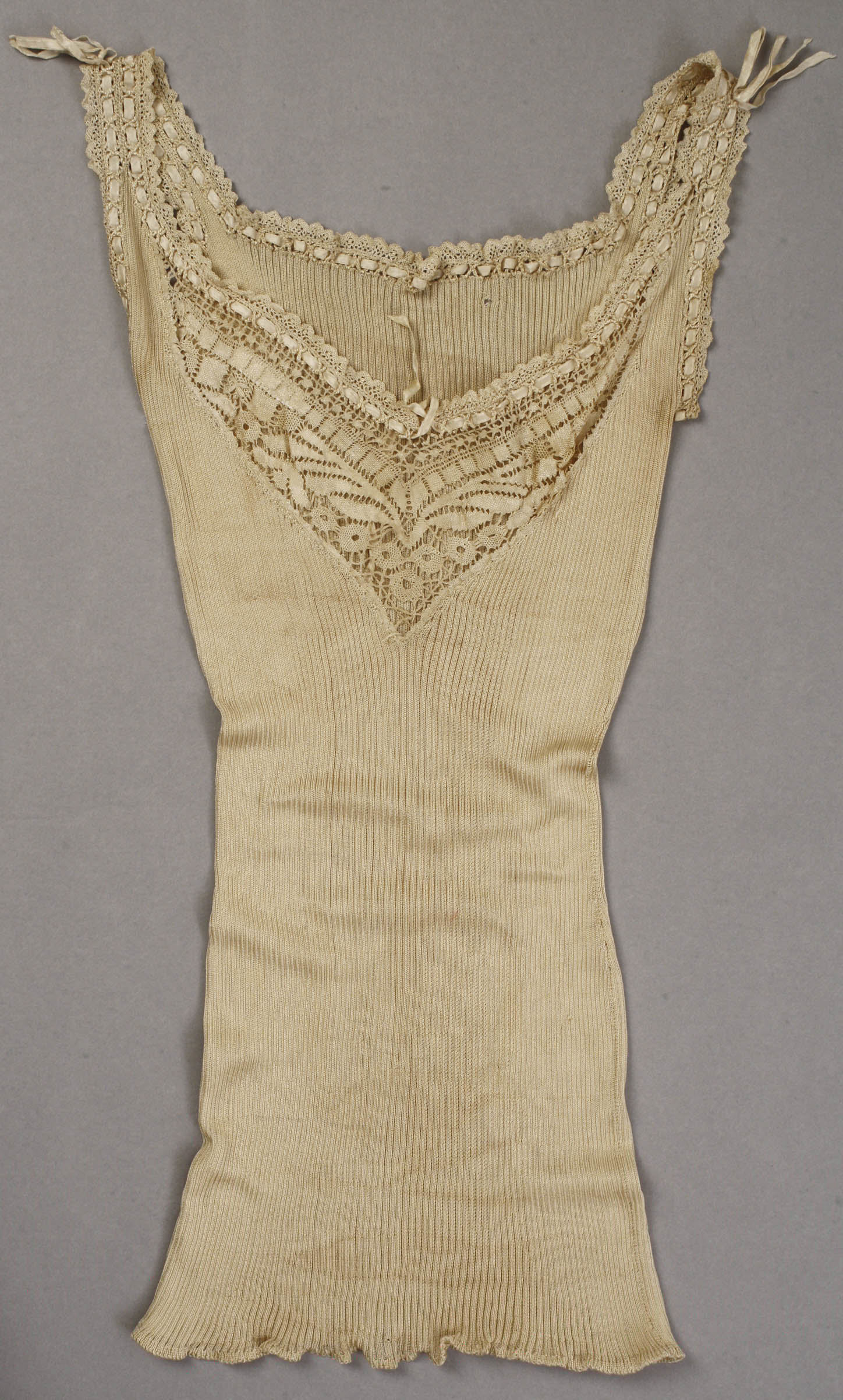
Self-expression is the part of this discussion that gets missed when people reduce lingerie to either seduction or modesty. Lingerie can be playful without being public, elegant without being restrictive, and practical without being invisible. It can also be deeply ordinary in the best possible way: the right seam, strap, or fabric can make a whole day feel less irritating. That is not trivial. Small comforts add up.
Some people use lingerie to mark a change in season or identity. A softer set can help someone recover after a hard year. Bright color can feel like a private act of defiance. A sheer layer can feel glamorous to one wearer and too exposed to another. The meaning is not built into the garment alone; it comes from the story around it.
Body positivity also matters here. Inclusive lingerie widens the idea of who gets to feel beautiful, supported, and represented. That includes different cup sizes, band sizes, skin tones, body shapes, mobility needs, and preferences for coverage. It also includes the ordinary right to prefer cotton over lace, or wireless over underwire, without being told that one choice is more “correct” than another.
That is why so many conversations about lingerie end up being conversations about permission. Permission to take up space. Permission to choose softness. Permission to dress for the self instead of the audience. Permission to be sensual without being available, and practical without being ashamed of practicality.
There is also a quieter kind of empowerment here. Not all victories need to be visible. Sometimes the most feminist thing a piece of lingerie does is help someone feel steady before a difficult meeting, more like themselves after illness or pregnancy, or simply less distracted by an uncomfortable waistband. There is dignity in that kind of ordinary relief.
What body positivity gets right, and where it still struggles
Body positivity is sometimes treated as a slogan, but the stronger version of it is simple: people deserve to feel at home in the bodies they actually have. In lingerie, that means the product should not punish people for having softness, stretch marks, asymmetry, scar tissue, mobility differences, or a shape that falls outside a narrow editorial sample size. A supportive bra or an easy set can be less about looking perfect and more about feeling unremarkable in the best possible way.
That said, body positivity can become shallow when it only changes the advertising and not the product. A campaign may show more body types, but if the range stops too soon or the fit is inconsistent, the message does not reach the hanger. Feminist reading asks us to notice that gap. Representation matters, but so do seam placement, strap elasticity, return policies, and the tone of customer service. Real inclusion has to survive the practical test.
There is also a softer lesson here. The best body-positive lingerie does not demand gratitude for basic respect. It simply meets people where they are. That means a person in recovery, a person shopping after childbirth, a person who lives with chronic discomfort, or a person who just wants soft underwear for a normal Tuesday can all belong in the same conversation. Lingerie does not have to be dramatic to be meaningful.
When body positivity works, it gives people room to stop negotiating with their reflection for a moment. That quiet can be powerful. It is hard to overstate how much mental energy is recovered when a garment fits well, feels safe, and does not require a private pep talk every time you put it on.
Contemporary feminist brands and what they signal
Modern lingerie brands have pushed this conversation into the mainstream by treating fit, inclusion, and representation as part of the product rather than as extra branding polish. Some labels do this better than others, and the gap between promise and practice still matters. But the direction is clear: many shoppers now expect size inclusivity, diverse models, and less judgmental language.
Here is one useful way to read a brand’s feminist posture: not by whether it uses the word “empowerment,” but by whether it gives more people a real chance to participate. That means size ranges that do not stop early, campaigns that show more than one body type, and customer service that treats fit as a real conversation instead of a guessing game.
| Brand / label | What it tends to signal | Why readers notice it |
|---|---|---|
| Savage x Fenty | Runway-level visibility for diverse bodies and styles. | It helped move the category away from a single “ideal” body. |
| Aerie | Comfort-forward marketing and less retouching. | It made body acceptance feel more ordinary and less aspirational. |
| ThirdLove | Fit-focused sizing and practical support language. | It speaks to the shopper who wants help, not hype. |
| Skims | Shape, comfort, and a broad shade story. | It shows how underwear can sit between basics and identity. |
| Adore Me and similar inclusive labels | Broader sizing and a more everyday tone. | It reflects the demand for lingerie that feels usable, not distant. |
Vogue’s coverage of body-positive lingerie brands shows how much the market has shifted toward inclusion in recent years, especially around diversity, fit, and the end of one narrow image of sexiness. That shift does not solve every problem, but it does matter. It gives shoppers more than one narrative to choose from.
There is also a quieter, behind-the-scenes piece of this story. Inclusive brands often need better systems for size questions, exchanges, fit feedback, and customer communication because the promise of inclusivity lives or dies in the details. For teams trying to keep those moving parts organized, a neutral resource such as AI integration services can be a practical starting point for connecting support tools and workflows without losing the human tone that shoppers expect.
The point is not that technology makes a brand feminist. The point is that values have to survive the day-to-day work of inventory, support, and follow-through. A label that says it cares about the full body has to care about the full experience too.
Why history still matters
It can be tempting to treat lingerie as a modern lifestyle topic, but history keeps getting in the way of that simplification. The shape of undergarments has always reflected wider ideas about gender, morality, labor, and status. That is why the V&A’s underwear collection and exhibition material are so useful: they show that these garments have never been only about sexiness or support. They are also about the body as a social project.
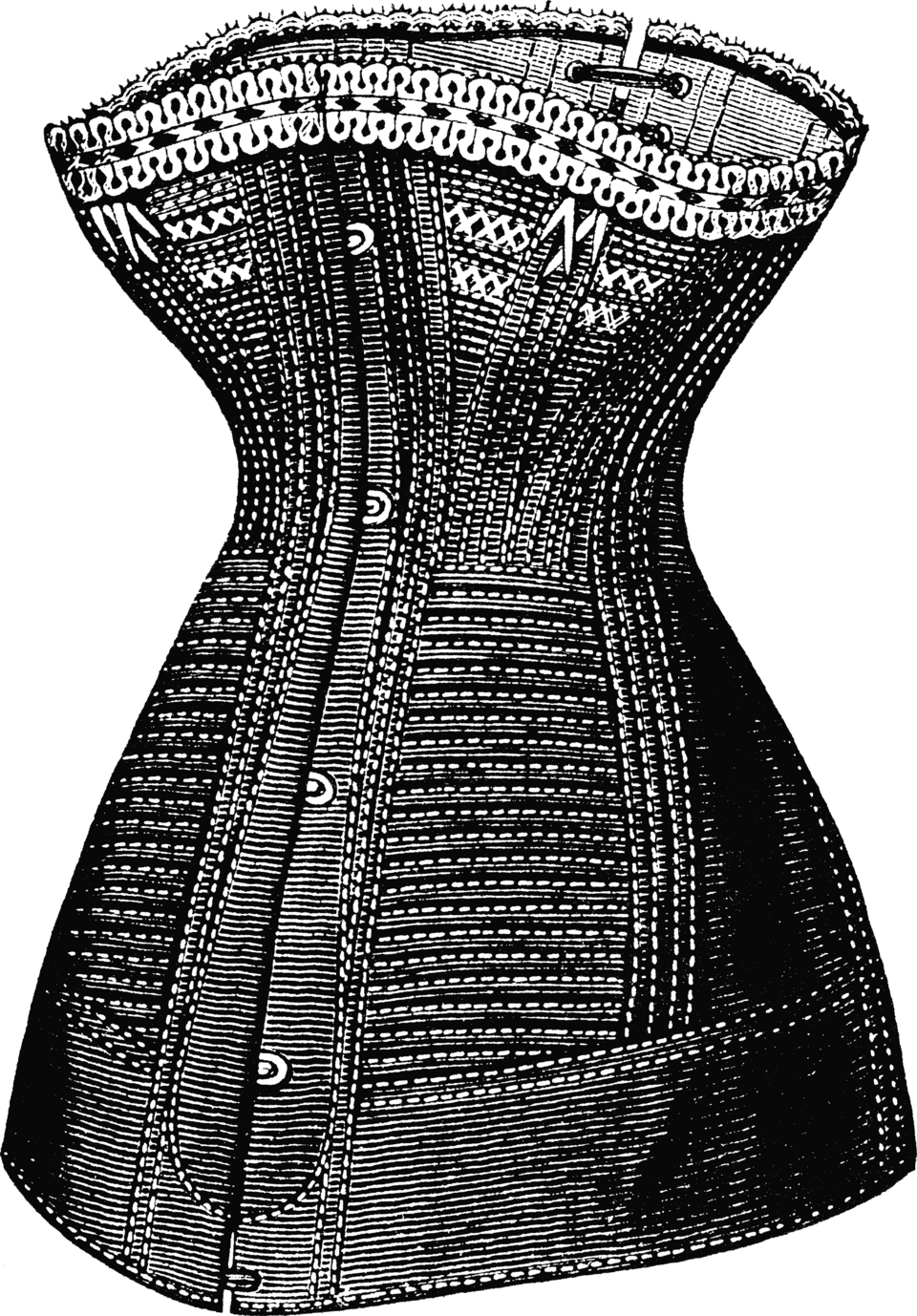
Once you see that history, the feminist questions become sharper. Who benefited from corsets? Who was asked to shrink, lift, flatten, or decorate themselves for public approval? Which bodies were considered respectable, and which were considered excessive? And which of those old rules are still hiding inside modern language about “flattering” or “fixing” the body?
This does not mean every structured garment is oppressive. Some people love corsetry, shaping, or dramatic lingerie as an artistic form. Feminism does not require flatness, austerity, or the rejection of aesthetics. It requires consent, context, and room for choice. That difference matters more than any single silhouette.
Questions worth asking before you buy
If you are trying to decide whether a piece of lingerie fits your values as well as your body, these questions can help:
- Does it fit the way the brand says it should, or does it fit me only on a good day?
- Do I feel more like myself in it, or more like I am performing a role?
- Is the sizing inclusive enough to make comparison shopping fair?
- Does the brand show different bodies, ages, and skin tones?
- Would I recommend it to a friend who needs support, softness, or confidence?
Those are not perfect tests, but they are honest ones. Lingerie does not need to carry every political debate on its own back. Still, the clothes closest to the body often reveal the clearest truth about what a culture values. If a brand only feels feminist when it is being photographed, the work is not finished.
Conclusion
Lingerie sits at an awkward but revealing intersection. It can empower because it lets people choose how they want to feel in their own skin. It can objectify when outside pressure replaces choice. It can also become a strong form of self-expression when comfort, beauty, and identity are allowed to coexist without apology.
The most useful feminist reading is not to declare lingerie good or bad in the abstract. It is to ask who the garment serves, what pressures surround it, and whether the person wearing it has room to decide for themselves. That is where the conversation gets honest.
If you want more context about the site and the values behind it, visit the About Koni-Art page. If you want more reading like this, the Recent Posts page is a good next stop.
In the end, lingerie is one of those topics that looks small until you examine it closely. Then it becomes a mirror for fit, labor, pleasure, identity, and power. That is usually how the most ordinary objects work.