The perfect nail or pedicure appointment is not really about finding the trendiest photo online. It is about finding a salon or technician whose hygiene, communication, and service quality match what your hands and feet actually need.
That is why people usually search with a cluster of questions: which salon is clean, what services are worth paying for, how can you tell whether tools are handled properly, and what should you ask before you book? Those are the questions that matter far more than a generic “best near me” ranking.
This guide is written as a practical consumer checklist. It focuses on how to compare a service safely and comfortably, not how to chase a specific trend. Health-oriented sources such as the American Academy of Dermatology nail-care guidance and broader public-health resources are useful context when you want your salon routine to look good without creating avoidable problems.
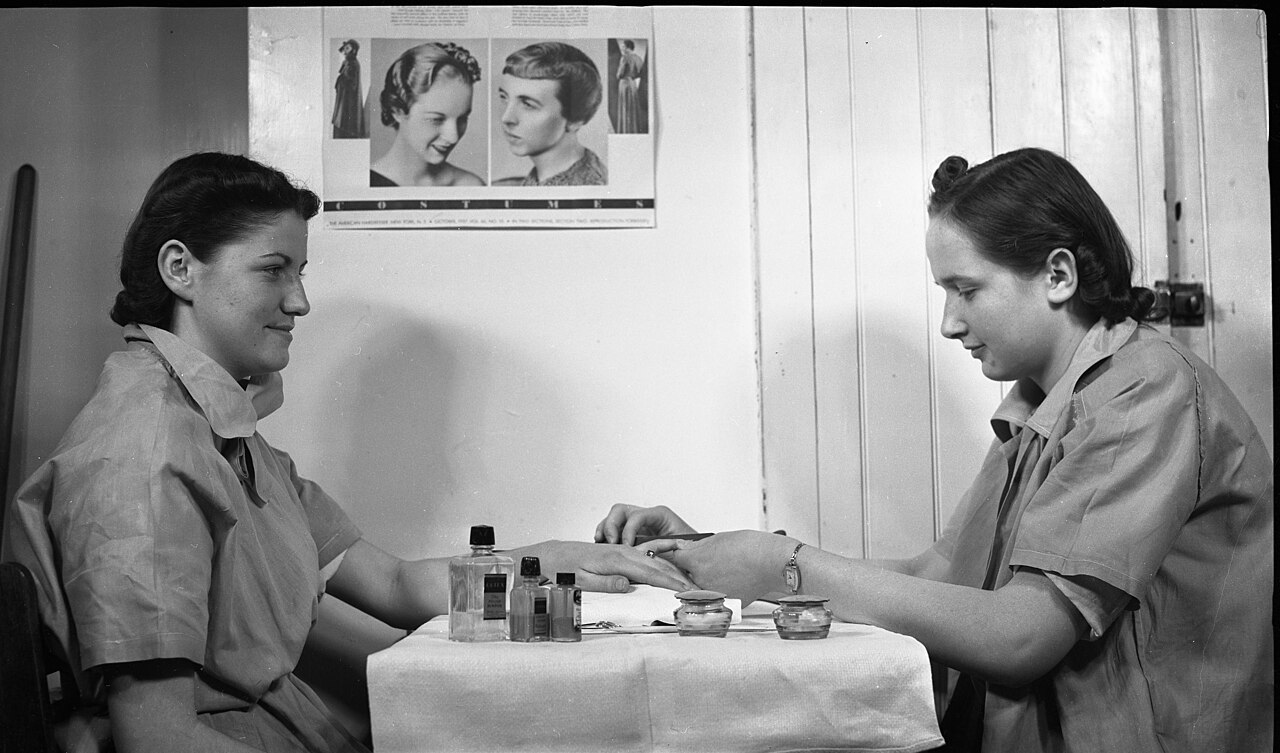
Start with the service you actually want
“Nails and pedicure” can mean very different things. Some clients want simple shaping, clean polish, and routine maintenance. Others want gel, nail art, callus care, spa-style soaking, or a longer appointment built around relaxation. If you do not define the service first, you end up comparing salons that are not really offering the same thing.
Before booking, decide:
- Do you want basic maintenance or design-heavy work?
- Do you want a quick appointment or a slower spa service?
- Do you need gel, acrylic, regular polish, or removal?
- Are you booking for appearance, comfort, or both?
Hygiene is the first screening test
Photos can make almost any salon look polished. Hygiene standards are what separate a good appointment from a risky one. You should be comfortable checking whether stations look clean, whether liners or basins are handled appropriately, and whether tools appear freshly prepared instead of loosely stored.
Good signs include:
- tidy work surfaces between clients;
- clear handling of tools and disposable items;
- no pressure to continue when skin is irritated, broken, or painful;
- technicians who answer practical questions without becoming defensive.
If you want a better sense of how nails can be affected by infections or trauma, the MedlinePlus nail disorders overview and the AAD healthy nail guidance are useful starting points.
Questions worth asking before you book
- What is included in the service price?
- How long does the appointment usually take?
- Is removal included if you already have gel or product on?
- Can the technician work around sensitive skin or damaged nails?
- What aftercare do they recommend?
Good salons answer these quickly and clearly. Vague pricing or irritation at basic questions is usually a warning sign.
How to read reviews more intelligently
Do not rely on star ratings alone. Look for patterns in written comments. Are clients praising cleanliness, consistency, and technician communication? Or are most reviews only reacting to decor and price? The best reviews mention details that affect the real appointment: timing, comfort, durability, and whether the service matched the request.
Also, compare review photos carefully. You are not only looking for dramatic designs. You are looking for clean edges, even polish application, healthy-looking cuticle handling, and results that still look wearable in everyday life.
When a simple salon is better than a trendy one
Many people assume the “perfect” salon must be highly stylized or social-media ready. In reality, a modest local place with good hygiene, consistent technicians, and clear service boundaries may be a better fit than a trend-heavy shop that overbooks clients and rushes the basics.
If your priority is comfort and maintenance, reliability matters more than spectacle. If your priority is design, technician portfolio and precision matter more than spa extras.
Pedicure-specific checks
Pedicures deserve a separate filter because they involve feet, skin condition, and potentially longer exposure to soaking, filing, or friction. If you have irritation, broken skin, or a suspected fungal problem, a beauty service is not the place to guess your way through it. In those cases, medical guidance may be more appropriate than a cosmetic appointment.
The Mayo Clinic overview of athlete’s foot is useful for understanding when routine salon care may not be the right first step.
A quick comparison table
| What to compare | Why it matters |
|---|---|
| Cleanliness and tool handling | Supports safer routine care |
| Service menu clarity | Prevents price surprises |
| Technician communication | Improves comfort and results |
| Portfolio quality | Shows whether the style fits your goal |
| Aftercare advice | Helps results last longer |
Aftercare matters too
A good appointment should still look good several days later. That depends partly on the technician, but also on what you do after the service. Let polish set properly, avoid aggressive picking or scraping, moisturize when appropriate, and give damaged nails time to recover instead of layering product on top repeatedly.
Conclusion
The best nails and pedicure service near you is usually the one that combines clear hygiene, honest communication, and a service menu that matches what you actually need. Stylish photos help, but process and care standards matter more in the long run.
You can find more visitor-friendly reference content through the site’s blog page.