Severe facial pain is easy to underestimate from the outside. For the person experiencing it, even light touch, brushing teeth, or a gust of air can feel overwhelming.
People looking up trigeminal neuralgia usually want quick clarity on three things: what the symptoms feel like, what may cause the condition, and when facial pain needs medical attention rather than self-treatment. Those are important questions because not every facial pain pattern is the same, and some symptoms should be evaluated promptly.
This article is general information only and should not replace professional care. For medically reviewed reference material, the Mayo Clinic overview of trigeminal neuralgia and the National Institute of Neurological Disorders and Stroke page are strong starting points.
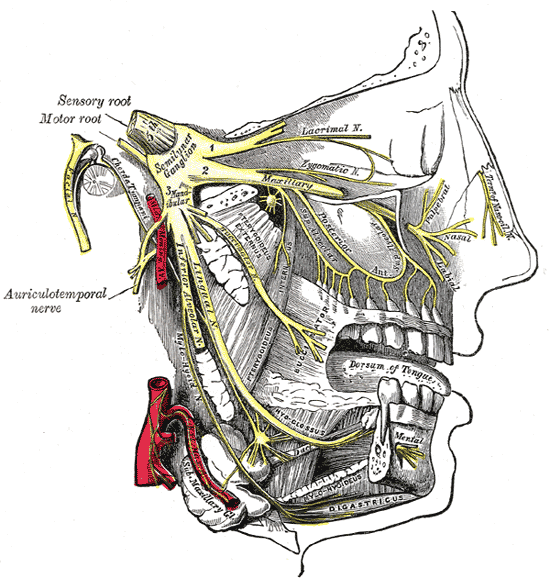
What trigeminal neuralgia is
Trigeminal neuralgia is a facial pain disorder involving the trigeminal nerve, the nerve responsible for carrying sensation from the face to the brain. When the nerve is irritated or compressed, pain signals can become intense, sudden, and disproportionate to the trigger.
The classic description is a shock-like or stabbing pain on one side of the face, although the exact pattern varies. Some people experience brief attacks separated by calm periods. Others develop a more persistent background ache in addition to sharp flares.
Common symptoms
- Sudden, severe facial pain that may feel electric, stabbing, or shock-like.
- Pain triggered by ordinary activities such as chewing, talking, brushing teeth, shaving, or washing the face.
- One-sided symptoms in many cases, often involving the cheek, jaw, teeth, gums, or lips.
- Episodes that come in bursts, sometimes lasting seconds or minutes, with clusters over days or weeks.
Mayo Clinic notes that even very light stimulation can trigger pain for some patients. That is one reason people often mistake the problem for a dental issue at first.
Potential causes
One commonly discussed cause is blood-vessel contact or compression near the trigeminal nerve. But that is not the only possibility. In some cases, related conditions, structural changes, or other neurological problems can play a role. The main lesson is that severe facial pain deserves proper assessment rather than assumptions.
Causes or contributors considered during evaluation may include:
- nerve compression by a blood vessel;
- multiple sclerosis in some patients;
- less commonly, tumors or other structural causes;
- conditions that mimic trigeminal neuralgia, including dental or sinus problems.
The NHS trigeminal neuralgia page is also useful for a plain-language description of symptoms and triggers.
Why diagnosis can be tricky
Facial pain has many possible explanations. Tooth problems, jaw disorders, sinus disease, nerve pain after procedures, and other neurological issues can overlap in confusing ways. That is why diagnosis often depends on the combination of symptom pattern, trigger profile, medical history, and imaging when needed.
Mayo Clinic’s treatment guidance notes that an MRI may be part of the workup when clinicians need to look for possible underlying causes. A specialist may also ask detailed questions about what triggers the pain, how long attacks last, and whether numbness is present.
When to seek medical care promptly
Do not rely on internet reading alone if facial pain is new, severe, escalating, or difficult to explain. Seek medical evaluation promptly if:
- pain is intense or recurrent;
- you are not sure whether the issue is dental, neurological, or something else;
- you have numbness, weakness, rash, fever, or other unusual symptoms;
- the pain is interfering with eating, speaking, sleeping, or hygiene.
If facial pain occurs with stroke-like symptoms, sudden weakness, confusion, or other emergency warning signs, emergency evaluation is more appropriate than a routine appointment.
How people usually manage next steps
Treatment decisions are individualized and depend on diagnosis, severity, prior response, and the suspected cause. Management can include medication, specialist referral, or procedural options in some cases. The right plan is not something to copy from a stranger online because facial pain causes and risk profiles differ.
What is useful at home is documentation. If you are waiting for an appointment, write down:
- where the pain is located;
- what the pain feels like;
- what triggers it;
- how long attacks last;
- what other symptoms appear alongside it.
Key distinctions worth remembering
| Question | Why it matters |
|---|---|
| Is the pain one-sided? | Pattern helps with evaluation |
| Is it shock-like or stabbing? | Classic symptom descriptions matter |
| Is it triggered by light touch or routine activity? | Can point clinicians toward nerve-related pain |
| Is there numbness or weakness too? | May change the urgency or differential diagnosis |
Conclusion
Trigeminal neuralgia is best known for sudden, severe facial pain that can be triggered by ordinary daily activities, often because the trigeminal nerve is irritated or compressed. Because facial pain has several possible causes, proper medical evaluation matters, especially when symptoms are new, severe, or confusing.
You can find other general information guides in the site’s blog archive.