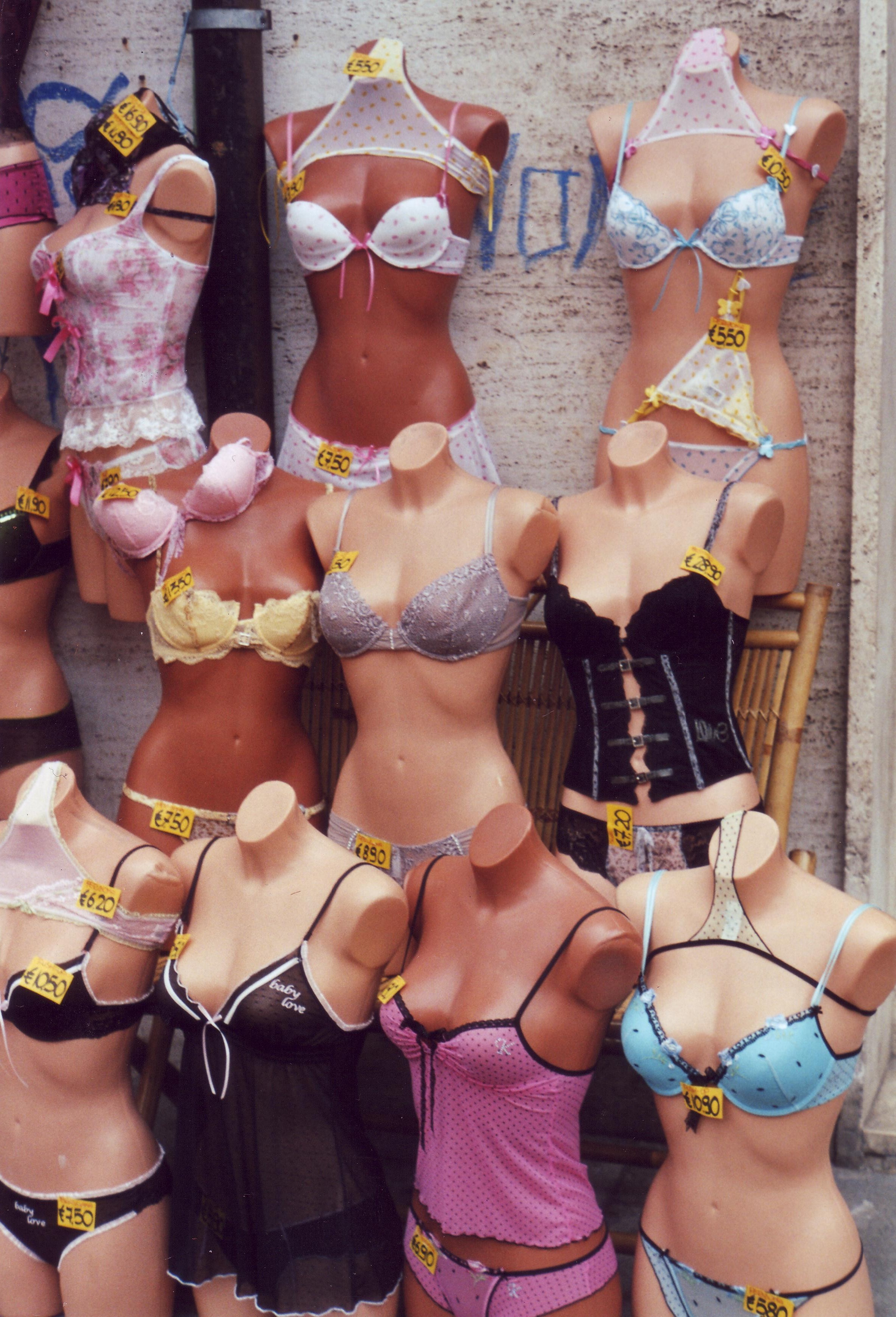
Explore how lingerie styles vary globally, influenced by culture, comfort, and modern fashion trends. Discover what shapes these differences and how to choose the right lingerie.
Explore how lingerie styles vary globally, influenced by culture, comfort, and modern fashion trends. Discover what shapes these differences and how to choose the right lingerie.

How to Choose the Perfect Bra for Your Body Type Choosing the right bra is less about chasing a perfect category and more about finding a shape that supports your body comfortably. The best fit should feel steady, sit smoothly, and work...
Discover how to incorporate lingerie into your everyday outfits with these stylish layering tips. Perfect for adding a touch of elegance to any look!

Current lingerie trends favor softer structure, visible layering, and practical fit over rigid, decorative pieces.
Introduction to occasion-based lingerie Special occasions change the brief. A wedding day, an anniversary dinner, or a private evening at home all ask for something slightly different: comfort, shape, confidence, and a little intention. The best lingerie does not announce itself like...
If you want lingerie that looks good, feels good, and does not make your wallet cry into the receipt pile, you are in the right place. The short version: affordable does not have to mean flimsy. It usually means choosing the right...
Choosing lingerie fabric is a little like choosing the soundtrack for your day: the cut matters, sure, but the material decides whether the whole thing feels effortless or mildly rude by lunch. The right fabric can make a piece cooler, softer, stretchier,...
A capsule lingerie wardrobe is a practical way to buy less and wear more—by building fit-tested bra and panty essentials you can mix for everyday and special occasions.