Lingerie shopping is easier when you treat it like a fitting exercise instead of a test you are expected to ace on the first try. The goal is simple: find pieces that fit well, feel comfortable, and work with the clothes you already wear.
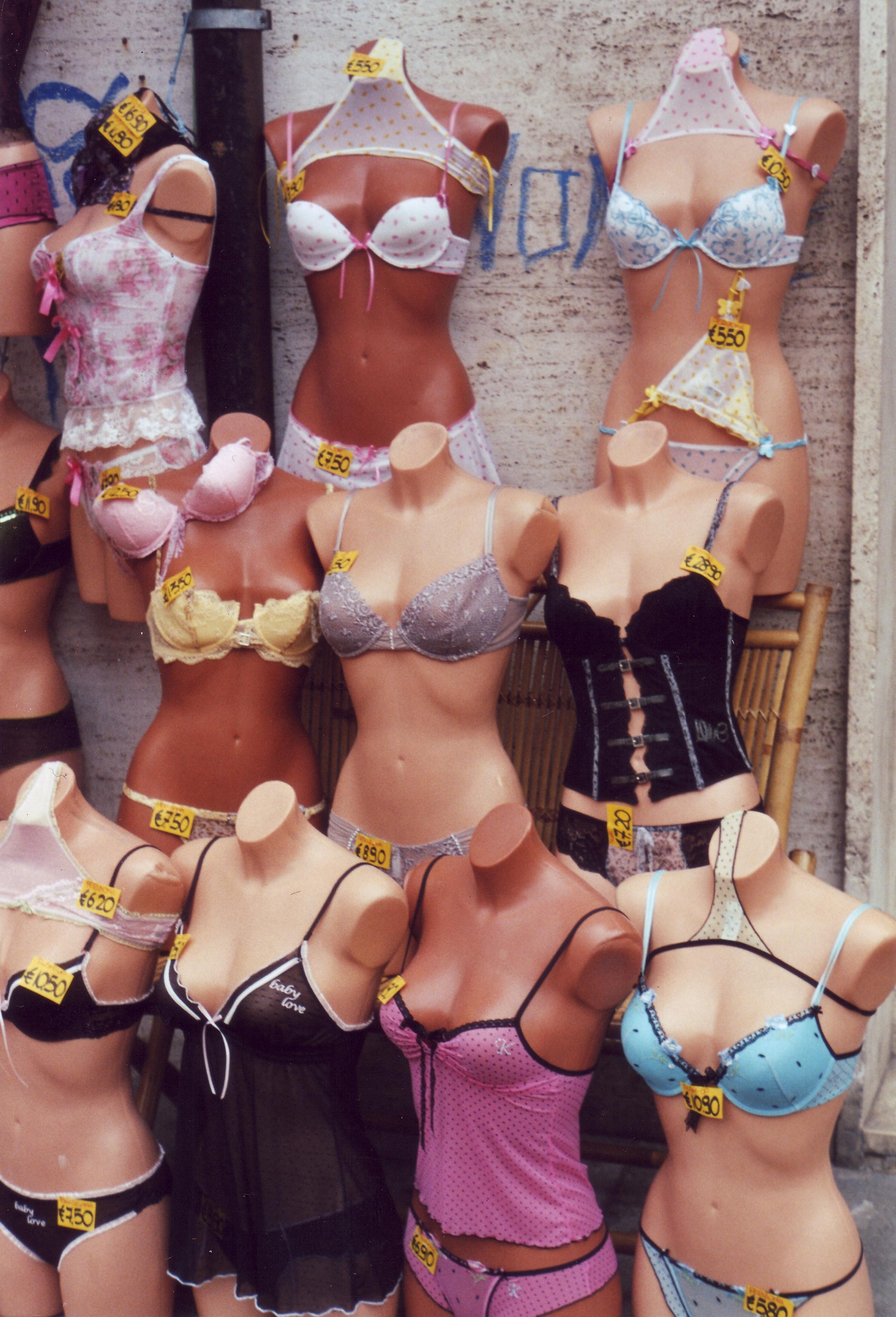
If you are starting from scratch, begin with fit, then style, then where you shop. That order keeps the process practical.
1. Start with size, not the label
Different brands cut the same size differently, so the number or letter on the tag is only a starting point. Use a soft tape measure, then compare the result with the retailer’s chart. For a plain-language walkthrough, ThirdLove’s bra fit guide and Knix’s size guide both explain the basics clearly.
Helpful habits for beginners:
- If you are between sizes, try the neighboring band or cup size instead of assuming one number must be correct.
- Use the brand’s size chart each time, especially when shopping online.
- Expect different cuts to fit differently. A bra, a bralette, and shapewear are not meant to feel identical.
- If a piece feels fine for two minutes but uncomfortable after ten, keep looking.
When you want a store-side perspective, Nordstrom’s bra-fitting services and guide shows the questions to ask in the fitting room.
2. Learn the main styles before you buy
New shoppers usually do better when they think in terms of purpose. What do you need this piece to do? Some styles are built for support, some for smoothing, and some for a softer, more relaxed feel.
- Bras: A T-shirt bra gives a smooth shape under fitted clothing. A bralette usually offers lighter support and feels more relaxed. A plunge style works with lower necklines. A full-coverage style is often a good starting point if you want more support.
- Panties: Briefs give more coverage, bikinis sit a little lower on the hips, and thongs are useful when you want fewer visible lines under clothing.
- Shapewear: This is for smoothing, not squeezing. If it feels hard to breathe in the fitting room, it is probably too much.
Once the style names start to blur together, it helps to compare them side by side and keep the test simple. One piece at a time tells you more than a full shopping bag ever will.
If you want more background on the brand before you browse, the About Koni-Art page gives you that context without sending you down a rabbit hole.
3. Decide where to shop
There is no single best place to buy lingerie. Online and in-store shopping both make sense; they just solve different problems.
Online shopping usually gives you more choices, more sizes, and easier comparison shopping. It is especially helpful if you already know your fit and want a specific style. The downside is simple: you cannot feel the fabric or test the fit before buying.
In-store shopping gives you immediate feedback. You can compare sizes, ask for help, and move between styles quickly. That is often the easiest path for beginners, especially if you want to learn how a good fit should feel.
A practical middle ground is to try on styles in person, then buy replacements or color variations online once you know what works. If you shop online, prioritize retailers with clear return windows, easy exchanges, and size charts that are easy to understand. A sale is not a bargain if the fit is wrong and the return policy is a hassle.
4. Try things on like you actually plan to wear them
The fitting room is where most good decisions happen. Do not stand perfectly still and declare victory. Move around.
Try sitting, reaching, walking, and bending a little if the store allows it. A piece that only feels comfortable in a frozen pose is not yet a good piece.
Here is what to watch for:
- For bras: The band should sit level, the cups should lie flat without spilling over, and the straps should support rather than carry all the weight.
- For panties: The waistband and leg openings should stay put without digging in or rolling.
- For shapewear: The smoothest result comes from pieces that shape gently. If the fabric fights your body, keep shopping.
- For all pieces: You should be able to breathe normally, sit comfortably, and forget about the item after a few minutes.
If a salesperson offers help, take it. A good fitting room conversation can save you from buying three almost-right pieces and wearing none of them.
5. Keep the first purchase simple
Your first lingerie purchase does not need to be dramatic. It only needs to teach you something useful. Choose one piece that fits your current routine: an everyday bra, a comfortable bralette, a basic brief, or a simple set in a fabric you already like.
From there, expand gradually. Once you know your reliable size range and the shapes you prefer, it becomes much easier to try something more decorative, more supportive, or more specialized. That is the point where lingerie shopping starts to feel less intimidating and a lot more personal.
For readers who want to keep exploring, the Blog is a good place to look for more practical guides and style notes. If you want the brand background first, start with About Koni-Art and then come back to the rest of the collection.
The useful takeaway is simple: measure carefully, compare styles by purpose, try things on with movement, and trust comfort when it gives you a clear answer. Lingerie shopping becomes much easier once you stop asking pieces to be perfect and start asking whether they actually fit your life.