If you want to understand fashion history from the inside out, start with lingerie. The hidden layer often explains the visible silhouette better than the dress itself.
Most readers arrive at this subject with a small cluster of good questions. When did intimate apparel move from rigid support to visible style? Why did one century prize control while another prized ease? How did lingerie become part of fashion language rather than only a practical underlayer? And what do designers, retailers, and cultural shifts have to do with the answer? For a broad entry point, the Britannica overview of lingerie is a helpful reference, while the Fashion History Timeline’s 1920s overview shows how quickly fashion changes when movement becomes a priority.
There is a reason lingerie keeps showing up in conversations about style, body image, and design. It sits at the point where technology, modesty, desire, labor, and self-presentation meet. A corset, a brassiere, a slip, or a bodysuit is never just fabric. It is a response to what a culture asks clothing to do. If you follow that logic through the nineteenth century, the interwar period, the postwar years, and the present, the story becomes less about underwear and more about changing expectations for the body itself.
In this article, I trace that story in practical terms. You will see how lingerie moved from engineered understructure to fashion statement, why the Victorian corset mattered so much, what changed in the 1920s and 1960s, how Chanel and Dior shaped the conversation, and why modern lingerie now affects everything from runway styling to inclusive sizing and sustainability debates. The useful takeaway is simple: lingerie has helped determine what fashion looks like long before it became visible on its own.
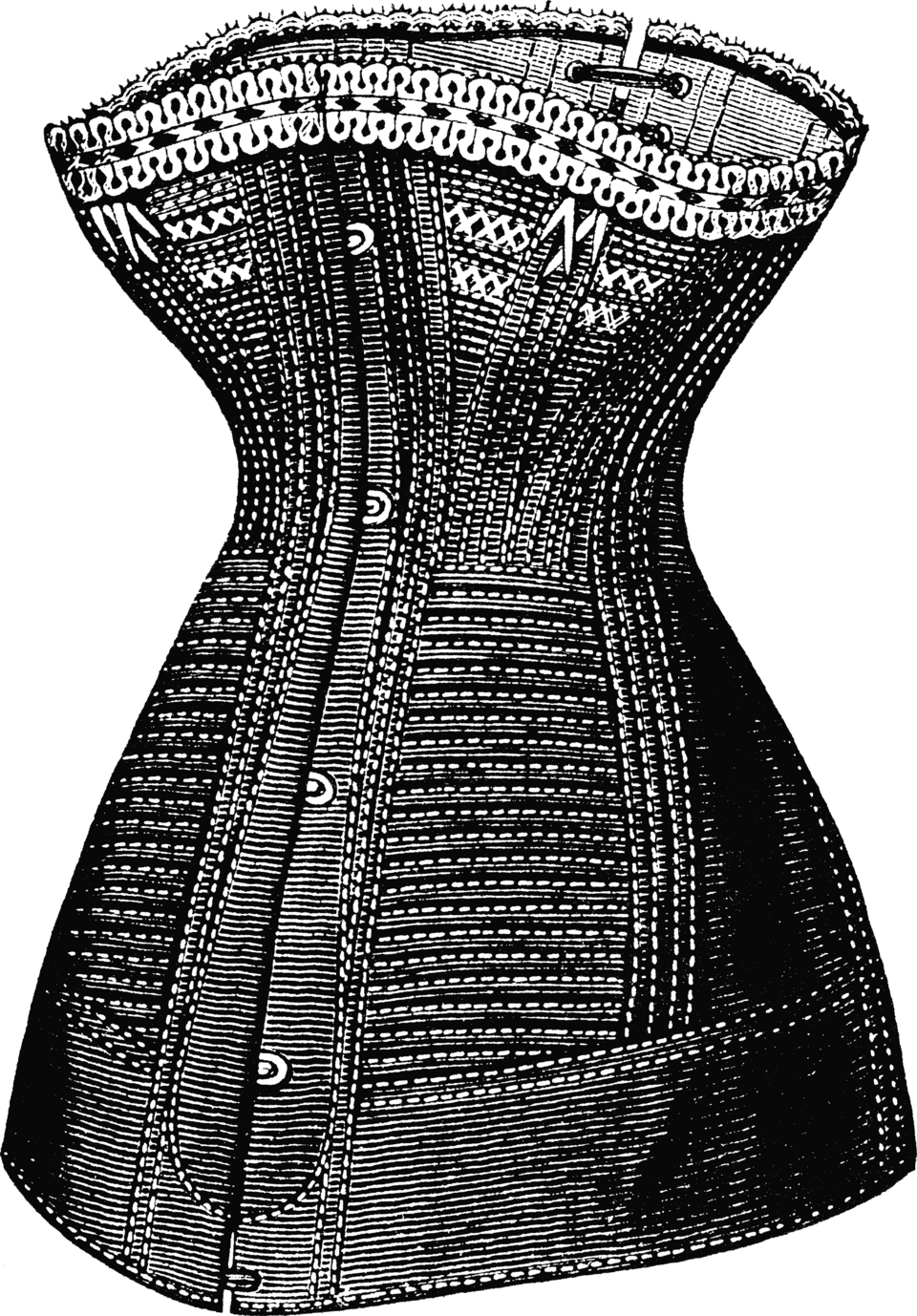
Victorian era
Structure, posture, and discipline
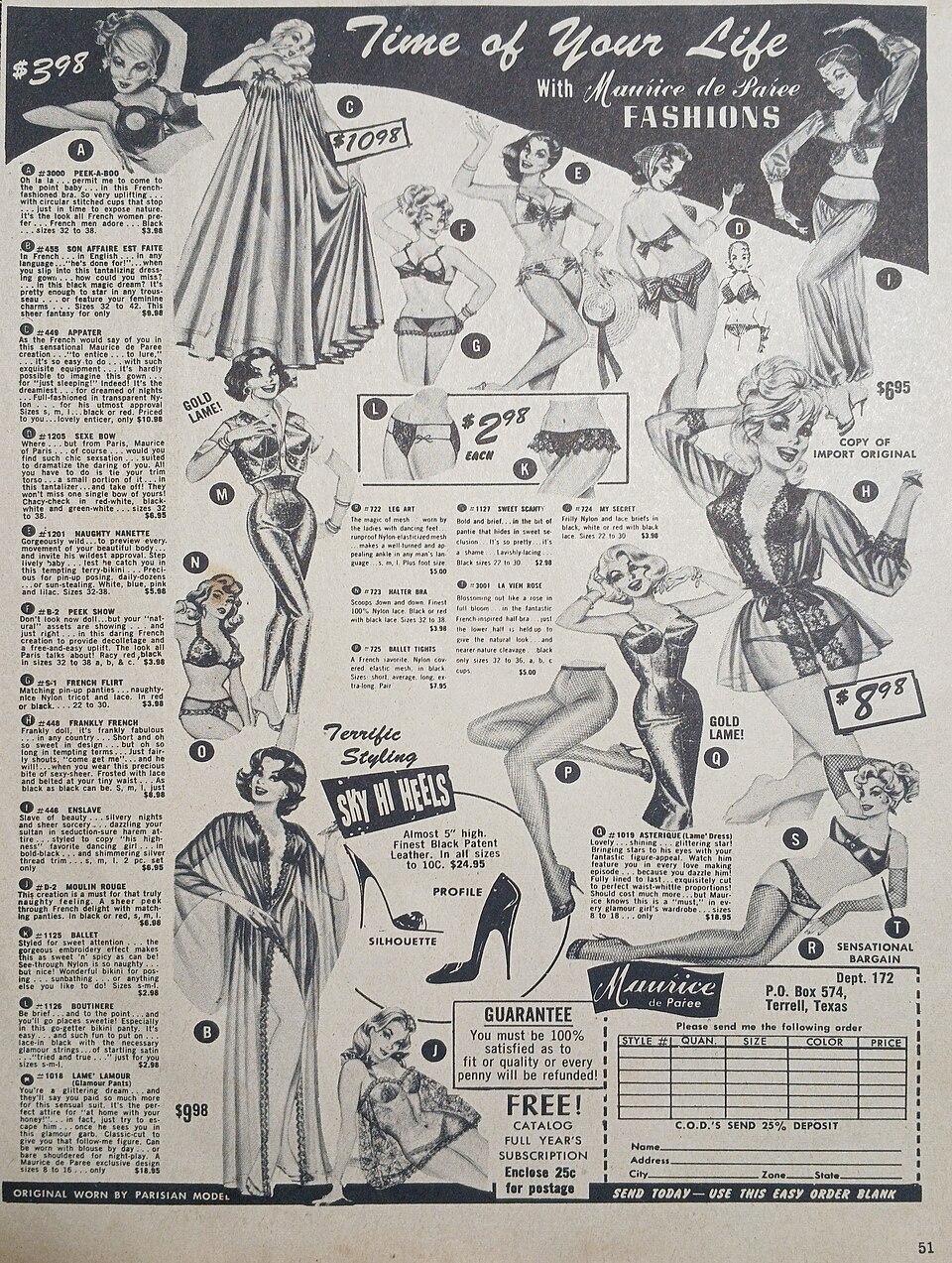
1950s
Curves, support, and polish
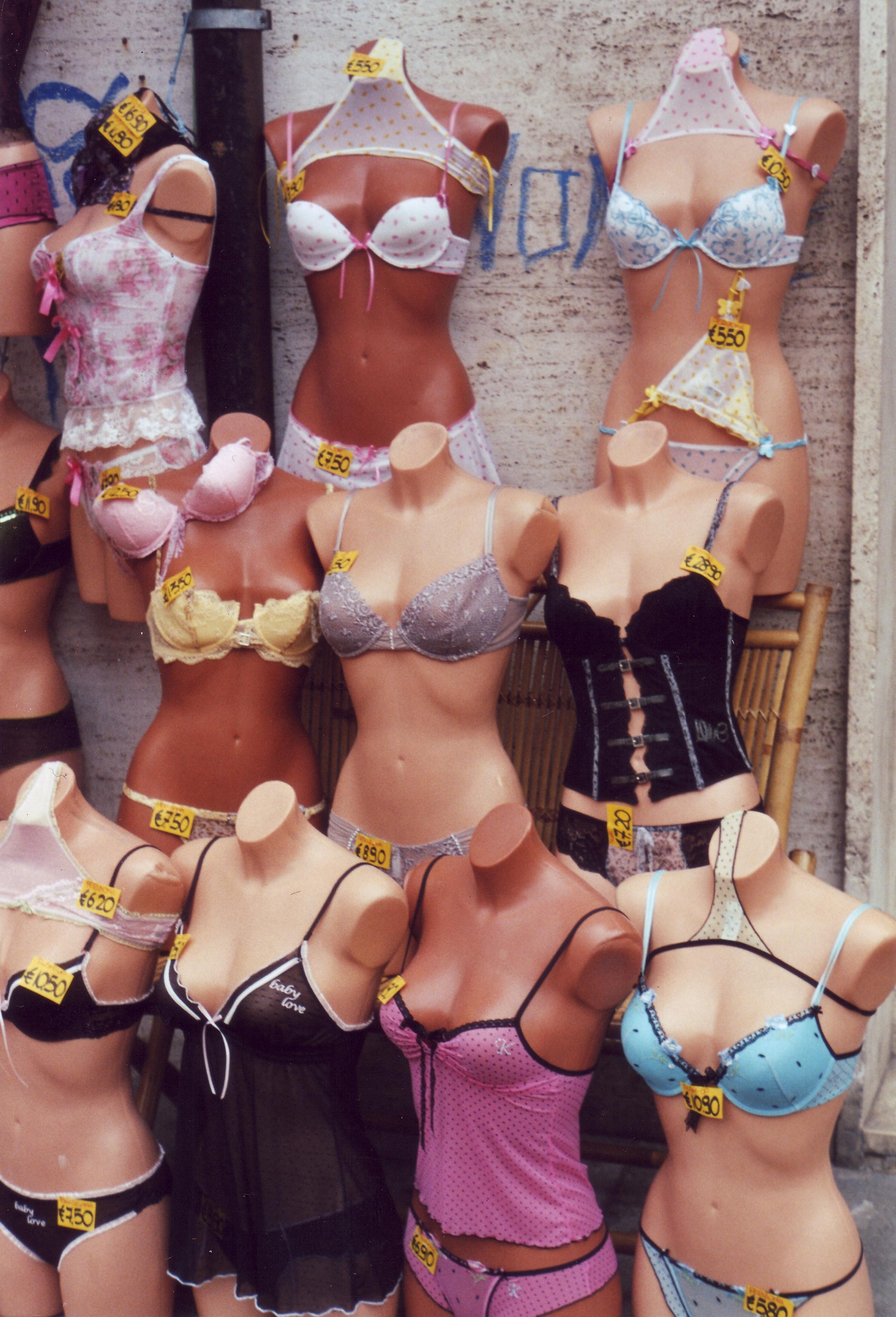
Today
Display, choice, and styling range
What lingerie means in fashion history
Before the history gets crowded with eras and designers, it helps to define the terms. Fashion history becomes much easier to read once the technical language is clear.
- Lingerie usually refers to intimate apparel designed with both function and appearance in mind. That can include bras, briefs, slips, camisoles, bodysuits, and decorative foundation pieces.
- Corset is the classic structured garment used to shape the torso. It is often treated as a single historical object, but in practice it ranged from everyday support to dramatic silhouette-making.
- Brassiere is the garment most readers would now call a bra. It became a central part of the modern lingerie story once sizing, materials, and ready-to-wear production improved.
- Foundation garment is the broader category for undergarments that shape, support, or smooth the body under outerwear.
- Lingerie as outerwear is the modern practice of letting intimate-clothing forms appear visibly in streetwear, eveningwear, and runway styling.
The important point is not terminology for its own sake. These words map the shifting job description of intimate apparel. At different moments lingerie has been asked to create posture, hide seams, support movement, flatten curves, emphasize curves, or become decorative enough to show. That is a large amount of cultural labor for a category most people still think of as a drawer purchase.
Victorian lingerie: engineering the body for respectability
The Victorian era is the chapter most readers know first, and for good reason. This was the period when corsetry became a dominant visual shorthand for intimate apparel. The goal was not merely to hide the body. It was to shape the body into a form that signaled order, control, and social propriety.
If I had to summarize the Victorian logic in one line, it would be this: clothing was expected to look composed, and the body underneath was expected to cooperate. Corsets, stays, lacing, and layered undergarments helped produce the upright posture and narrow waist that fashion valued. They also supported the weight of outer garments, which matters more than people sometimes admit when they reduce history to discomfort alone. A garment can be restrictive and functional at the same time. History, annoyingly, keeps that possibility open.
The corset debate often gets flattened into two positions: heroic undergarment or historical villain. The evidence points to something more complicated. Some corsets were everyday support pieces worn with little drama. Others created much more pronounced shaping. Many sat somewhere in between, depending on class, occasion, and the fabrics available. That flexibility matters because it shows lingerie was never a single idea. It was an adjustable technology for the body.
Decoration mattered too. Lace, embroidery, ribbon, and fine stitching turned hidden clothing into a site of craft. Even when no one was supposed to see it, intimate apparel could still carry status and taste. The private layer of dress was already becoming a style language. That shift laid the groundwork for the modern lingerie market, where construction and presentation are equally important.
There is also a retail story here. As department stores and mail-order commerce expanded, lingerie became easier to buy as a category rather than as a one-off garment made by a dressmaker or adjusted by hand. Once intimate apparel entered mass retail, it could be branded, marketed, and divided into styles. That change sounds modest until you realize it is one of the reasons lingerie eventually became a distinct industry.
A simple timeline of the major shifts
| Period | Typical lingerie form | What the body was asked to do | Fashion result |
|---|---|---|---|
| Victorian era | Corsets, stays, layered undergarments | Hold posture, narrow the waist, support the dress line | Formal, controlled silhouettes |
| 1920s | Flattening foundations, bandeau-style bras, slips | Reduce curve and allow freer movement | Straighter, looser lines for dancing and modern life |
| 1940s | Practical bras, ration-conscious constructions | Support the body with fewer materials | Utility shaped everyday design |
| 1950s | Structured bras, girdles, slips | Rebuild the hourglass with modern materials | Polished postwar femininity |
| 1960s | Lighter bras, youth-driven styles, some anti-bra choices | Support movement, expression, and changing body politics | More varied and more openly contested silhouettes |
| Late 20th century to now | Underwire, shapewear, bralettes, bodysuits, visible lingerie | Mix support, comfort, aesthetics, and layering | Lingerie becomes part of the public wardrobe |
The 1920s: movement changes the silhouette
The 1920s represent one of the cleanest breaks in lingerie history. Fashion moved away from a heavily structured, waist-driven silhouette and toward a straighter, more mobile line. The social context changed at the same time. Women were dancing more, traveling more, working in visible public ways, and dressing for a pace of life that did not reward the old architecture of dress.
That new silhouette changed underwear almost immediately. Heavier corsetry lost ground to lighter foundations, bandeau-style bras, and slips that produced a smoother front and a less obvious bust line. The goal was often not to emphasize shape at all, but to minimize it so clothing could hang with that modern, boyish, straight-line effect. The 1920s prove an important historical point: lingerie follows the silhouette, but it also helps decide what the silhouette can become.
The Fashion History Timeline’s 1920s overview is useful because it makes the transition feel concrete rather than abstract. Once garments are cut for movement, intimate apparel has to become lighter, less obtrusive, and more responsive to the body in motion. The change was not only technical. It was cultural. A garment built for standing still in a parlor was not enough for the social world of dance halls, nightlife, and quicker public movement.
This period also matters because it shows that progress in fashion is not linear. Readers sometimes assume lingerie history is a steady march toward more support or more engineering. The 1920s show the opposite. For a time, the ideal was less structure, fewer curves, and a more relaxed line. That does not make the era freer in every way, but it does prove that fashion can and does reverse direction when the culture changes its mind.
The 1940s and 1950s: war, materials, and the return of the hourglass
Wartime and postwar years shifted lingerie again. Material shortages, rationing, and practical limits forced designers to simplify where they could. In that context, intimate apparel became more efficient and more standardized. The shape did not disappear, but construction often had to do more with less. Nylon, elastic, and mass production changed what could be made, sold, and worn at scale.
After the war, fashion leaned back into a more polished, feminine ideal. The 1950s revived the hourglass silhouette with bras, girdles, slips, and other foundation pieces that worked together to create a controlled but glamorous shape. The Fashion History Timeline’s 1950s overview shows how postwar style combined domestic polish, synthetic convenience, and highly managed body presentation. It was modern in material terms, but visually conservative in what it asked the body to do.
This chapter is important because it shows how lingerie can modernize without becoming socially neutral. Better materials do not automatically mean broader freedom. A bra made with improved elastics and better sizing can feel more comfortable and more available, but it can still be used to enforce a narrow beauty ideal. The 1950s remind us that technical progress and cultural openness are not the same thing.
That tension is one reason the postwar lingerie market became so significant. Intimate apparel was no longer merely supporting the dress. It was helping advertise a particular image of adulthood, respectability, and femininity. If Victorian lingerie enforced discipline, the 1950s often sold polish. The result was different, but the underlying lesson was the same: lingerie helps fashion tell the body what role to play.
Designers who changed the conversation
It would be a mistake to treat lingerie history as if it were shaped only by anonymous manufacturers. Designers and fashion houses mattered because they translated broad cultural shifts into concrete silhouettes. They also taught shoppers how to read intimate apparel as part of style rather than as a hidden afterthought.
| Designer or brand | Contribution | Effect on lingerie and fashion |
|---|---|---|
| Coco Chanel | Helped move fashion toward comfort, ease, and a less rigid outline | Supported softer underlayers, simpler lines, and a more modern sense that clothing should move with the body |
| Christian Dior | Popularized the New Look with a sharply defined waist and rounded bust | Reinforced the importance of structured foundations, shaping lingerie, and a carefully engineered silhouette |
| Victoria’s Secret | Turned lingerie into a highly visible retail and media category in the late 20th century | Helped define aspirational marketing around lingerie, celebrity imagery, and body ideal debate |
Coco Chanel matters here because she normalized ease. She did not invent comfort, but she helped make it fashionable. That shift changed expectations around what clothing should feel like and made softer, less burdensome foundations more culturally acceptable. In practical terms, the move away from heavy formalism opened the door for lingerie to be thought of as something designed for living, not just for presentation.
Christian Dior matters for the opposite reason. Dior’s New Look restored the importance of structure, especially the narrow waist and pronounced bust. That meant lingerie and foundation garments remained central to the fashion system, even when outerwear looked elegant and new. Dior’s work reminds us that modernity does not always mean less structure. Sometimes it means a more deliberate structure, with more attention paid to how the underlayer builds the outer shape.
Victoria’s Secret enters the story later, but it is impossible to ignore. As a retailer and media brand, it helped make lingerie a public spectacle, not only a private purchase. Fashion shows, campaigns, and celebrity imagery pushed intimate apparel into a highly stylized visual space. The impact was enormous, and not always positive. The brand also became a symbol of narrow body ideals, eventually facing pressure from changing expectations around inclusivity, comfort, and authenticity. That backlash is itself part of lingerie history. When the public idea of the body changes, the marketing has to move too.
From undergarment to visible style
At some point in the late 20th century, lingerie stopped being only the hidden support system for fashion and started becoming part of fashion’s public vocabulary. That shift is visible in bodysuits worn as tops, satin slips styled for evening, corset detailing on outer garments, and lace trims that are deliberately shown rather than concealed.
There are a few reasons this happened. First, the rise of stretch fabrics made garments easier to wear in multiple settings. Second, designers began borrowing intimate silhouettes as visual references for eveningwear and runway pieces. Third, the idea of what counts as appropriate public clothing became more flexible, especially in urban, media-saturated fashion cultures. A garment could start as underwear and end up as a styling element without losing its identity.
That transition also changed consumer behavior. Shoppers now buy lingerie not only for support or modesty, but for layering, self-expression, and visual effect. A lace camisole can be worn under a jacket. A corset-inspired top can stand in for a blouse. A bodysuit can carry a whole outfit. In other words, lingerie is no longer only underneath the outfit. It can be the reason the outfit works at all.
The modern wardrobe also made room for mixed messages. A piece can be sensual and practical, decorative and supportive, or vintage-looking and technologically modern. That combination is part of the appeal. Fashion history is full of styles that begin as necessity and become symbolism. Lingerie simply does that faster than most categories because it sits so close to the body and so close to changing ideas about the body.
Modern implications: social media, sustainability, and inclusion
Today’s lingerie market is shaped by forces that would have been hard to imagine a century ago. Social media has turned intimate apparel into a visual language that travels instantly. A bra, bralette, corset-style top, or bodysuit can be styled, photographed, tagged, and reinterpreted in hours. That speed changes both product design and consumer expectation. Brands now have to think not only about fit and construction, but about how a garment reads on screen.
Body representation matters more than it used to, or at least it is more visible when it fails. The old habit of marketing lingerie through a single body ideal is under stronger pressure from shoppers who expect broader sizing, different shapes, and more honest images. That shift does not magically fix the category, but it does change the baseline. Lingerie now has to prove it can fit more than one imagined customer.
Sustainability has also become harder to ignore. Intimate apparel relies on stretch fibers, lace, trims, and blended fabrics that are comfortable but not always easy to recycle. Brands that want to speak seriously about responsible production have to show more than a nice color palette and a recycled tag line. Fabric choice, durability, repairability, and supply chain transparency all matter. In a category where garments are worn close to the skin and replaced often, small improvements in material practice can have outsized value.
There is also a stronger move toward lingerie as lifestyle product rather than special-occasion product. Wireless bras, soft bralettes, lounge sets, and bodysuits are often designed to bridge categories: sleepwear, underwear, and visible style layer. That flexibility reflects how people actually dress now. Work, home, travel, and social life do not always require separate wardrobes, so lingerie has adapted to the overlap.
If you want the background behind this site’s current point of view on fabric, fit, and intimate apparel, the About Koni-Art page gives that context. For more practical reading on style, care, and related lingerie topics, the Blog is the natural place to keep exploring.
A compact chronology of key moments
- Victorian period: corsets and foundation garments shape posture, class signals, and the formal silhouette.
- 1920s: lighter lingerie supports movement, dancing, and straighter fashion lines.
- 1940s: wartime material limits push intimate apparel toward practical construction.
- 1950s: bras and girdles rebuild the hourglass with new materials and mass-market reach.
- 1960s: youth culture, changing gender politics, and lighter construction open the category to more choices and more disagreement.
- Late 20th century: lingerie becomes a retail, media, and identity category rather than only a support layer.
- Now: lingerie sits at the intersection of comfort, body politics, sustainability, and visible fashion styling.
Why this history still matters
Lingerie history is not niche trivia. It helps explain why fashion debates about support, comfort, modesty, sensuality, and body image still carry so much emotional force. People rarely argue only about fabric. They are usually arguing about what a body should look like, how much it should be controlled, and who gets to decide.
That is why the category keeps evolving. The same garment family can be a support system, a status symbol, a protest against restriction, a marketing image, or a styling layer. Each century asks lingerie to do different jobs, and each new material or silhouette changes what is possible. If the underlayer is where fashion learns its habits, lingerie is one of the best places to watch history in motion.
What I think the long view makes clear is this: lingerie has never been static. It has moved from visible engineering to hidden support to visible style, and now to something that tries to do all three at once. That is why it remains such a useful subject for fashion history. It tells us not only what people wore, but what they wanted clothing to say about the body.
Key points to remember:
- Lingerie has shaped fashion by determining silhouette, movement, and body ideals.
- Victorian corsetry made intimate apparel central to formal dress and social discipline.
- The 1920s and 1960s both pushed lingerie toward lighter, freer, or more openly contested forms.
- Chanel and Dior show how designers can move intimate apparel in opposite directions while still keeping it central.
- Modern lingerie now influences outerwear, digital marketing, sustainability debates, and inclusive sizing.