I usually sort lingerie by season before I sort it by color. That sounds fussy until you spend one July afternoon regretting a winter-layer habit, or one January morning discovering that “light and pretty” is not the same thing as “useful.”
When people look for seasonal lingerie advice, they are usually asking the same practical questions: Will this breathe in heat? Will it layer cleanly under clothes? Will it keep its shape when the weather turns? And does it still feel like me, or just like a compromise with good marketing? Coco Chanel’s line that “Fashion is architecture: it is a matter of proportions” still applies here, because lingerie lives close to the body and does its best work when proportion, fabric, and climate are all in agreement.
The material problem is real. Cotton can be engineered for breathability and moisture management, which is why it keeps showing up in warm-weather basics, while wool is still one of the cleanest examples of a fiber that helps regulate temperature as conditions change. That mix of comfort and performance is exactly why a seasonal approach makes sense instead of trying to force one drawer to do everything. The question is not whether lingerie should be beautiful. The question is whether it earns space in the drawer for the current season. For a deeper fabric reference point, Cotton Incorporated’s guide to the comfort of cotton and Woolmark’s fiber overview are both useful starting points.
In this guide, I will keep the focus on decisions that actually matter: which fabrics belong in summer, which layers work in winter, and which transitional pieces make spring and fall less annoying than they need to be. If you want more background on the brand, start with the About Koni-Art page. If you want more practical lingerie articles after this one, the blog index and the lingerie care guide are the obvious next stops.
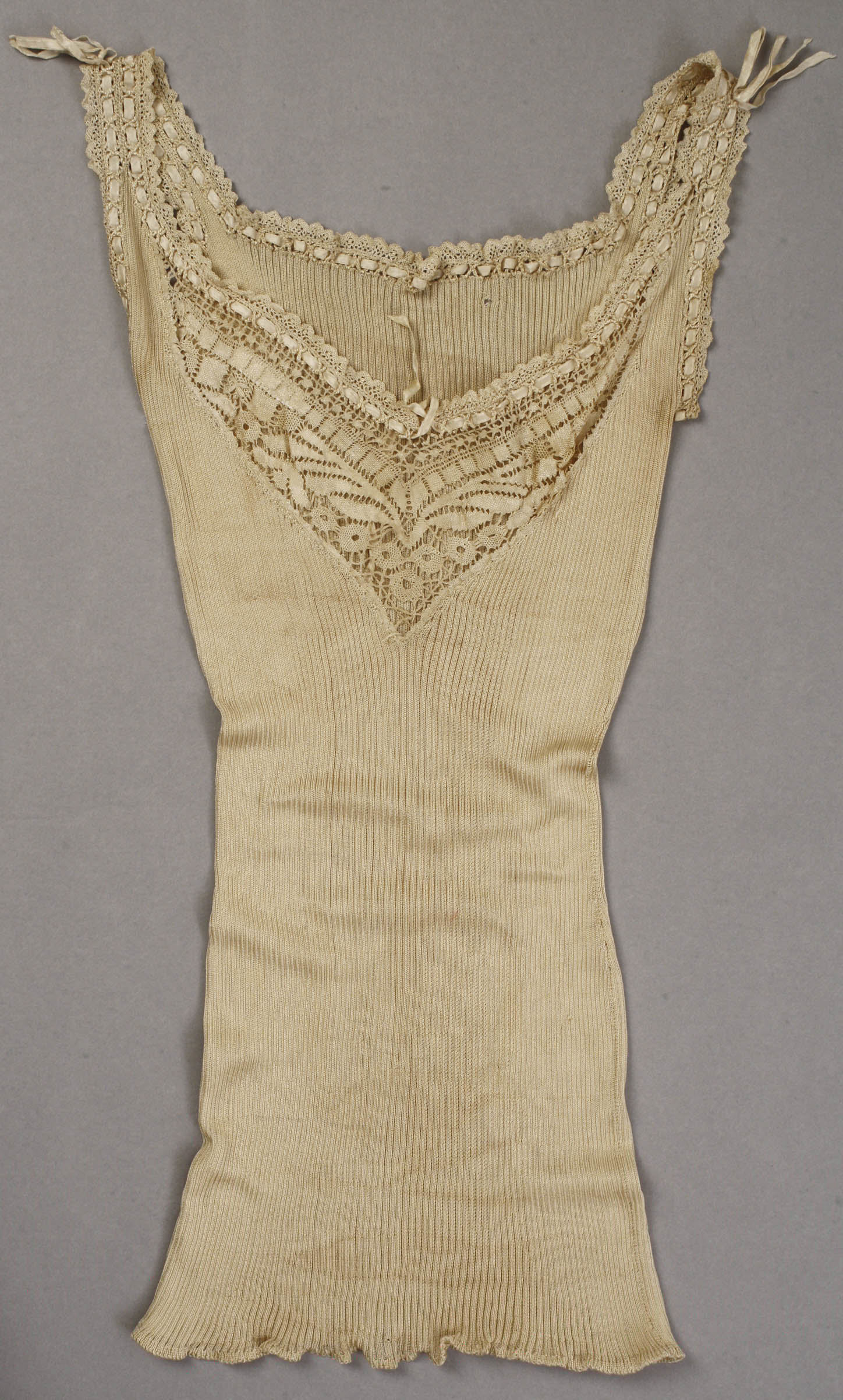
Summer
Breathable cotton and lace
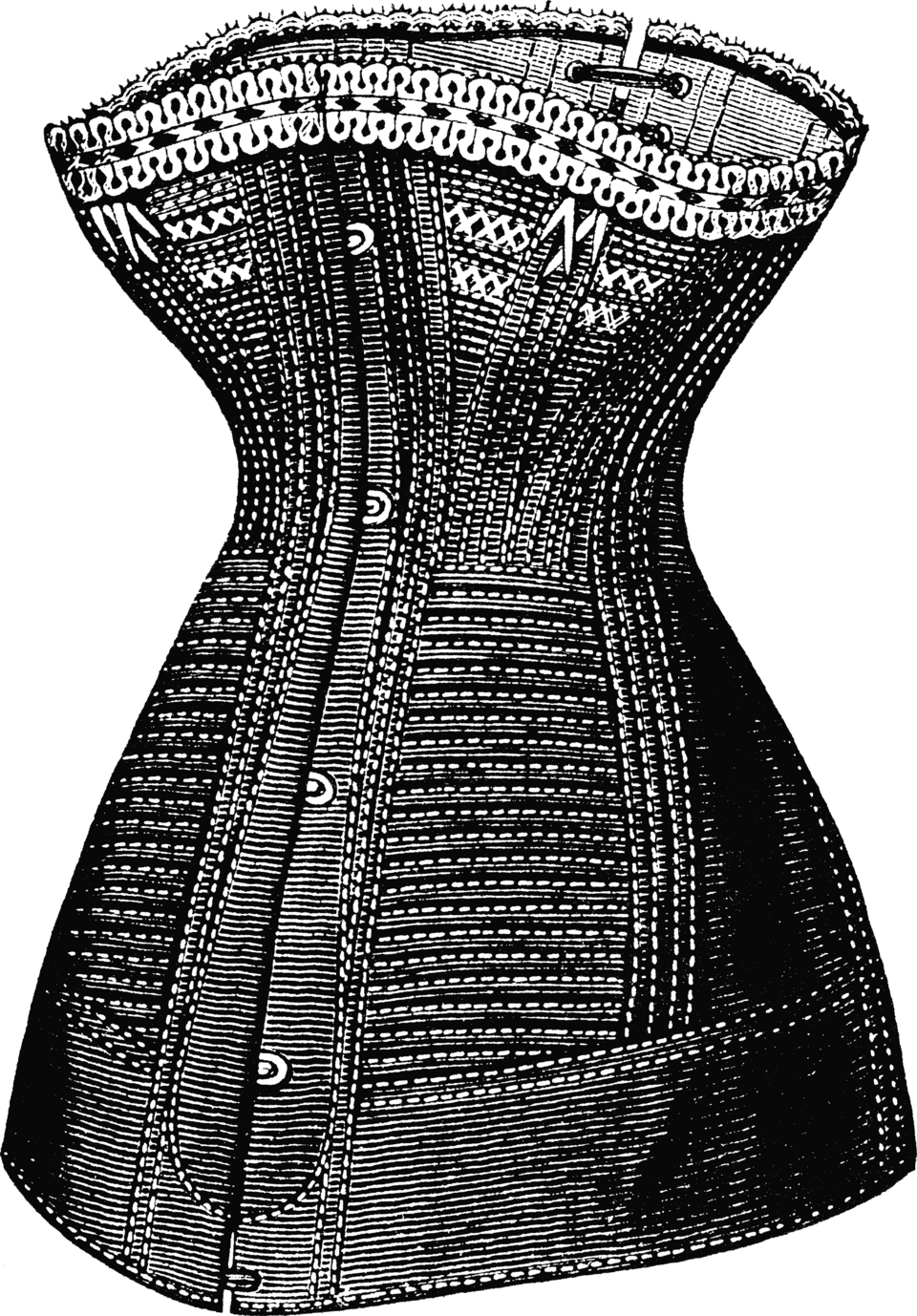
Winter
More structure, more coverage
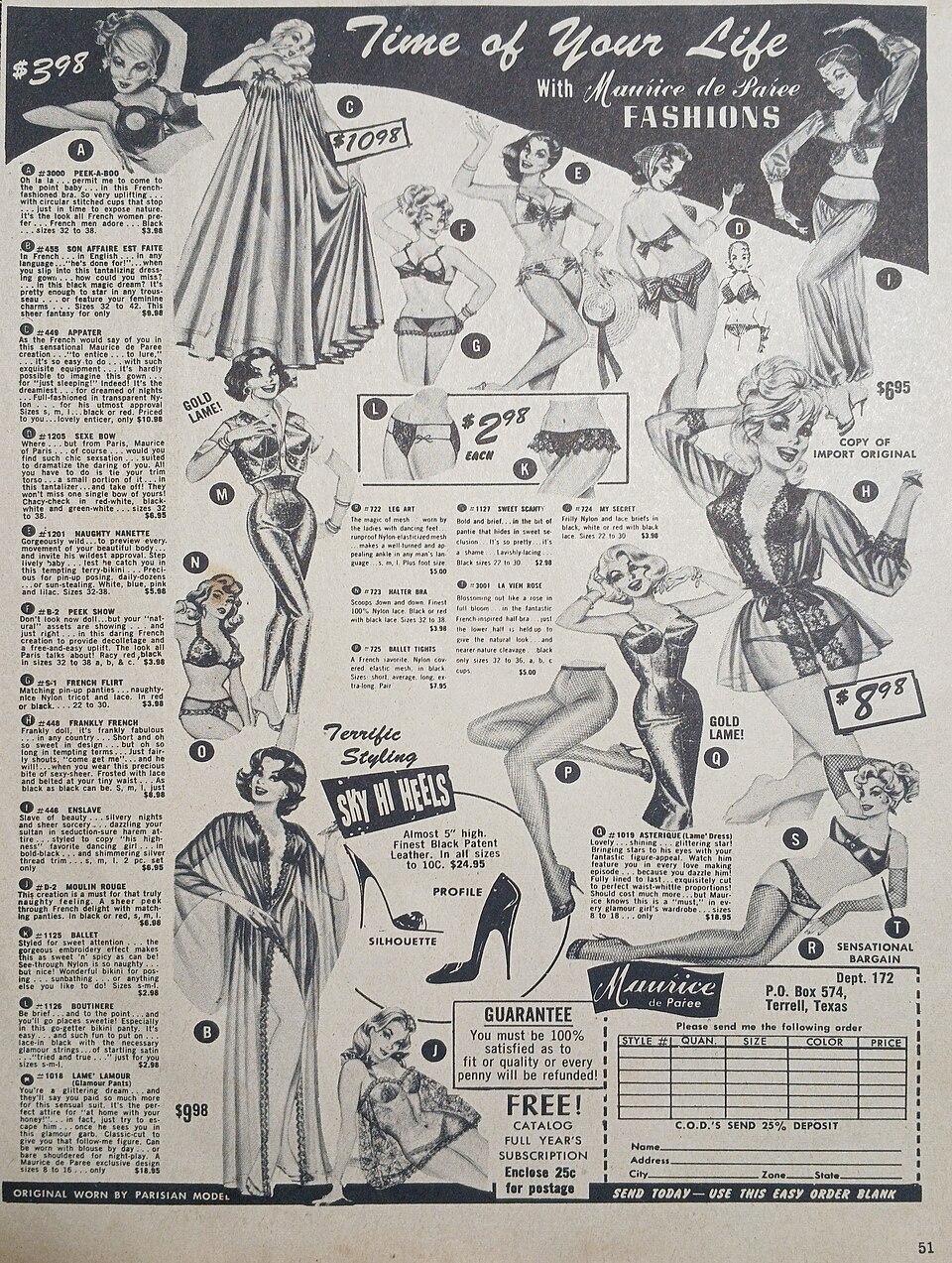
Spring and fall
Transitional shapes that layer well
What seasonal lingerie means
Seasonal lingerie is not a trend category. It is a practical way to match undergarments to weather, clothing weight, and how much insulation the body needs. Summer pieces should reduce heat buildup and friction. Winter pieces should add comfort without turning into a bulky engineering project. Spring and fall need the most flexible drawer of all, because the weather can change before lunch.
I think of the seasonal drawer as a small operations system. Each piece either solves a real problem or it does not. If it traps heat in August, digs in under a sweater in December, or shows through everything in April, it is not a versatile basic. It is just clutter with a lace invoice.
Three terms are worth keeping straight:
- Breathability is how easily air moves through a fabric. Higher breathability usually means less trapped heat.
- Moisture management is how a fabric moves sweat away from the skin or allows it to evaporate. That matters most when heat and humidity rise.
- Thermal layering is the practice of using a base layer, mid layer, or garment structure to hold warmth without adding unnecessary bulk.
That is the baseline. The rest of the guide is just better decision-making by season.
Light fabrics for summer
Summer lingerie should do one thing very well: stay quiet in heat. That means breathable fabrics, lighter construction, and shapes that do not cling where they should not. Cotton is the obvious starting point because it is comfortable, familiar, and easy to live with. Cotton Incorporated notes that cotton can be engineered for ventilation and faster drying, which is why cotton basics remain a practical choice when temperatures climb. You do not need every piece to be technical; you need it to stop fighting the weather.
For hot weather, I look for fabric rather than decoration first. A pretty trim is fine, but it should not become the whole business case. If the lace is stiff, the lining is thick, or the elastic feels aggressive, the garment will spend the day reminding you that it exists. Summer does not reward drama. Summer rewards air.
Fabrics that earn their place
- Cotton: dependable, breathable, and usually the safest choice for everyday summer wear.
- Lace with soft stretch: useful when it is light and flexible rather than ornamental and rigid.
- Modal or rayon blends: smooth, soft, and often better than heavier synthetics when the weather is warm.
- Light mesh: helpful for ventilation if the construction stays comfortable and the seams are finished cleanly.
Styles that work in heat
In summer, I usually favor bralettes, unlined bras, soft cups, and briefs that sit flat without extra fabric drama. A T-shirt bra can still work, but it should be a light version, not a padded fortress. If a piece adds heat just by existing, it does not belong in the summer rotation.
The best summer lingerie also plays nicely with clothing. Thin tanks, sleeveless dresses, linen shirts, and lightweight tees all expose weak points fast. Straps that slip, bands that roll, and seams that print through fabric are all summer problems. The cure is not to buy more things. It is to buy less structure where structure is not needed.
Practical rule: if a garment feels slightly too complicated on the hanger, it will probably feel twice as complicated in August.
What to avoid
- Heavy padding that traps heat.
- Thick elastic that bites when skin is warm.
- Scratchy lace that becomes more noticeable as the day gets hotter.
- Dark, dense fabrics when the outer wardrobe is already light and close-fitting.
There is also a hygiene angle. Hot weather means more sweat, which means more friction, which means uncomfortable seams become a bigger problem than they looked in the fitting room. A summer drawer should be easy to wash, easy to rotate, and easy to replace if it starts losing stretch. The seasonal standard is simple: if it cannot stay comfortable in heat, it is not a summer piece.
For more background on why breathable cotton keeps appearing in comfort-focused clothing, Cotton Incorporated’s discussion of ventilation and moisture is a useful reference. It is not glamorous reading, but neither is sweating through the wrong bra. Reality has standards.
Warm layers for winter
Winter lingerie does not need to be thick to be effective. It needs to support the outer wardrobe and add a little thermal stability where the body actually feels cold. That can mean slightly richer fabrics, longer lines, and pieces that sit smoothly under sweaters, coats, and layered outfits. The point is not to turn lingerie into outerwear. The point is to keep the base layer from becoming a cold-weather liability.
Woolmark’s fiber guidance is useful here because it explains why wool remains one of the most efficient fibers for warmth and temperature regulation. Not every winter undergarment needs wool, of course, but the principle matters: a good cold-weather base layer should trap comfort, not bulk. That is the difference between being warm and being wrapped in regret.
Cold-weather fabrics and constructions
- Brushed microfiber: soft against the skin and often smooth under heavier clothing.
- Cotton blends with stretch: useful when comfort matters but a little extra body is welcome.
- Merino wool blends: worth considering for base layers when real warmth and moisture handling matter.
- Double-layer knits: practical when you want more coverage without hard structure.
How to layer without bulk
Winter layering starts with the hidden layer. A longline bra, camisole, bodysuit, or thermal top can create a smooth line under sweaters and winter dresses. If the outer garment is heavy, the lingerie underneath should be steady and uncomplicated. You want warmth and fit, not a private version of armor.
I usually recommend thinking in layers instead of in individual pieces. Start with a base layer that feels good on skin. Add a support piece that stays put. Then check whether the outer garment still moves well. If it does not, the problem is probably the stack, not the sweater.
That same logic appears in the Woolmark material summaries on fiber properties and temperature behavior. Wool manages warmth because it reacts to body temperature and moisture. That is exactly the kind of function winter lingerie should aim for, even when the garment is mostly hidden.
What winter needs from lingerie
- Support that does not shift under heavier clothes.
- Fabric that feels warm without becoming bulky.
- Seams that do not create pressure points when layered.
- Enough coverage to keep the outfit line clean under knits and winter tailoring.
Winter is also the season when many people choose darker colors and more structured pieces. That is sensible, but style should still be subordinate to function. A piece that looks elegant but creates static, clings awkwardly, or makes every sweater sit badly is not winter-ready. It is just expensive interference.
Transitional pieces for spring and fall
Spring and fall are the awkward middle managers of the wardrobe. They ask for flexibility, because the weather may swing between warm afternoons and chilly evenings without warning. Transitional lingerie should therefore do two things well: layer under changing outerwear and stay comfortable when the temperature refuses to make up its mind.
This is where the drawer needs versatility more than specialization. Pieces that work under a lightweight blouse in April may need to disappear under a cardigan in October. A good transitional set does not force a season. It follows it.
The best bridge fabrics
- Modal: smooth, breathable, and useful when you want comfort without heaviness.
- Silk or silk blends: elegant, light, and good for layering when the weather is unpredictable.
- Light lace: useful when it is soft enough to wear all day and not just for an occasion.
- Stretch cotton: a dependable option when comfort matters more than a decorative finish.
For style references, the Fashion History Timeline’s overview of the 1920s is a helpful reminder that lingerie has often shifted toward lighter lines when clothing and lifestyle demanded more movement. The same idea shows up in the 1950s overview, where support returned but modern materials changed how structure felt. Transitional seasons benefit from that same logic: light enough to move, structured enough to behave.
Colors and patterns that work
Spring and fall are good seasons for muted color, soft contrast, and pieces that can move between visible and invisible roles. Dusty rose, cream, taupe, soft black, warm gray, and deeper seasonal tones all fit the brief. Prints should be restrained unless the outer wardrobe is very simple. The drawer should support the outfit, not compete with it.
If you want a practical test, hold the piece up to two outer garments: one thin top and one layered top. If it works under both, it earns more drawer space. If it only works under ideal conditions, it is a special-occasion piece, not a seasonal staple.
Why transitional pieces matter
Spring and fall are where the cost of a bad buy shows up fastest. A piece that is too heavy for the first warm day will sit untouched until winter. A piece that is too light for the first cool evening will disappear before dinner. That is why transitional lingerie deserves its own category. It reduces waste, simplifies dressing, and keeps the drawer relevant longer.
If you want a related read after this one, the site’s lingerie care guide is a useful companion piece. Seasonal choices last longer when the washing and storage rules are equally sensible. Small systems beat heroic rescue work every time.
A seasonal buying matrix
If I had to reduce the whole article to one working table, it would look like this:
| Season | Main priority | Best fabrics | Best styles |
|---|---|---|---|
| Summer | Breathability and low friction | Cotton, soft lace, modal, light mesh | Bralettes, unlined bras, light briefs |
| Winter | Warmth and smooth layering | Microfiber, cotton blends, merino blends, double-layer knits | Longline bras, camisoles, bodysuits, supportive basics |
| Spring | Flexibility for changing temperatures | Modal, silk blends, stretch cotton, light lace | Convertible bras, soft sets, layer-friendly separates |
| Fall | Layering with enough coverage | Stretch cotton, microfiber, soft knits | Supportive basics, smoother silhouettes, longer lines |
The table is simple on purpose. Seasonal lingerie does not need a complicated philosophy. It needs one good question: does this piece help me live in the weather I actually have?
How to build a better seasonal drawer
I like to treat the drawer like a small capsule wardrobe. That means not every piece has to do everything. It also means I can stop pretending that one perfect bra exists for every month of the year. It does not. The market would be too sensible if it did.
A practical seasonal drawer usually has three layers of choice:
- Year-round basics that work in most conditions.
- Seasonal specialists for peak heat or cold.
- Bridge pieces that handle the awkward weeks in between.
That structure is cleaner than buying by impulse. It also makes replacement easier. If a summer basic loses stretch, replace that category. If a winter camisole stops layering well, replace that category. This is the operating system version of wardrobe care: less emotion, more signal.
It also helps to think about what the lingerie needs to do under the rest of the outfit. A light blouse needs something smooth. A sweater can tolerate a little more texture. A fitted dress may need a cleaner line than your favorite lounge piece can provide. The outer wardrobe should have veto power over the underlayer. Rare, but fair.
Conclusion
The best seasonal lingerie is not the most decorated, the most expensive, or the most heavily marketed. It is the piece that makes sense for the weather, the clothes on top of it, and the amount of effort you want to spend managing your own comfort. Summer asks for breathability. Winter asks for warmth without bulk. Spring and fall ask for flexibility. The rest is just selection.
If you want the shortest version of the advice, keep this:
- Choose cotton, lace, modal, and mesh for warmer months when breathability matters most.
- Choose smoother, warmer, and better-lining pieces for winter so layering stays comfortable.
- Keep a small set of transitional pieces for spring and fall so the drawer can handle weather swings.
- Let fabric and function lead; let decoration follow.
- Audit the drawer by season instead of assuming one style should carry the whole year.
My final rule is simple: if a piece cannot survive the season it is supposed to serve, it is not a staple. It is a seasonal misunderstanding.
For more background on the brand and its point of view, visit the About Koni-Art page. For more practical lingerie and care articles, the blog and the Recent Posts page are the right places to keep going.