Men’s lingerie is not a punch line. It is a sign that comfort, style, and self-expression are finally allowed to sit at the same table.
If you are new to the idea, you may be asking a few very reasonable questions: What counts as lingerie for men? Why has the category grown so much quieter and more visible at the same time? And how do you choose pieces that feel good without turning getting dressed into a costume change? A neutral overview of lingerie can help set the language first, which is why I often send readers to a simple reference like Wikipedia’s lingerie overview before they start comparing styles.
The conversation matters because clothing habits rarely change in a straight line. They shift when people notice that the old rule does not fit their body, their taste, or their life anymore. That is true in fashion, and it is true in intimate apparel. A growing number of shoppers now want underwear that is softer, prettier, more supportive, or simply less boxed in by gendered expectations. If that sounds familiar, the broader context of this site may also be useful: see About Koni-Art for the shop’s background, or browse recent posts when you want more practical style reading.
What you will find below is a clear guide to the language, the styles, the brands, and the tradeoffs. I am not trying to sell you on a dramatic reinvention. I am trying to make the subject feel ordinary enough to evaluate calmly. That is usually where good style decisions begin.
What “men’s lingerie” usually means
The phrase can sound vague because it covers more than one kind of garment. In practice, men’s lingerie usually refers to intimate apparel that borrows from lingerie construction, materials, or aesthetics while being cut for a masculine body shape or for anyone who prefers a less gendered fit. That can include lace briefs, sheer trunks, soft bodysuits, silky slips, mesh layers, or shaped underwear with decorative details.
The label matters less than the effect. Some pieces are about appearance. Some are about comfort. Some are about support. The best ones do all three without making the wearer feel like they are performing for the mirror. That last part is the quiet test. If a garment looks interesting but feels fussy, it will not stay in the drawer for long.
| Term | Plain meaning | Why it matters |
|---|---|---|
| Lingerie | Delicate or decorative intimate apparel | Sets the tone for fabric, finish, and silhouette |
| Support | How well a garment holds the body in place | Helps with comfort, confidence, and movement |
| Coverage | How much of the body the garment covers | Determines how bold or discreet the look feels |
| Rise | Where the waistband sits on the torso | Affects fit, stability, and how a piece layers |
| Hand feel | The way fabric feels to the touch | Often decides whether a piece gets worn again |
If you remember nothing else from this section, remember this: the right piece is not the one that looks the most daring on a hanger. It is the one that fits your body and your routine.
Cultural perceptions are changing, slowly but clearly
For a long time, men’s underwear was expected to be invisible, practical, and almost aggressively unremarkable. That approach had one job: keep the conversation away from the body. But bodies are not policy memos. They have preferences. They have temperature. They have sensitivity. And sometimes they have a very simple wish to look a little better than “plain and beige” on a weekday morning.
The shift we are seeing now is not really about shock value. It is about permission. More people are willing to say that intimate apparel can be decorative, expressive, and still completely normal. Fashion has been moving in that direction for years, and the current mood is more open than it used to be. That does not mean every shopper wants lace or mesh. It means the option no longer has to feel embarrassing.
That matters because clothing choices often carry social weight that is larger than the garment itself. A man who chooses something softer or more styled is not necessarily making a political statement. He may just want underwear that feels less like a compromise. The social meaning is still there, of course. But the practical meaning comes first. Most people start with comfort before they start with theory. That is usually sensible.
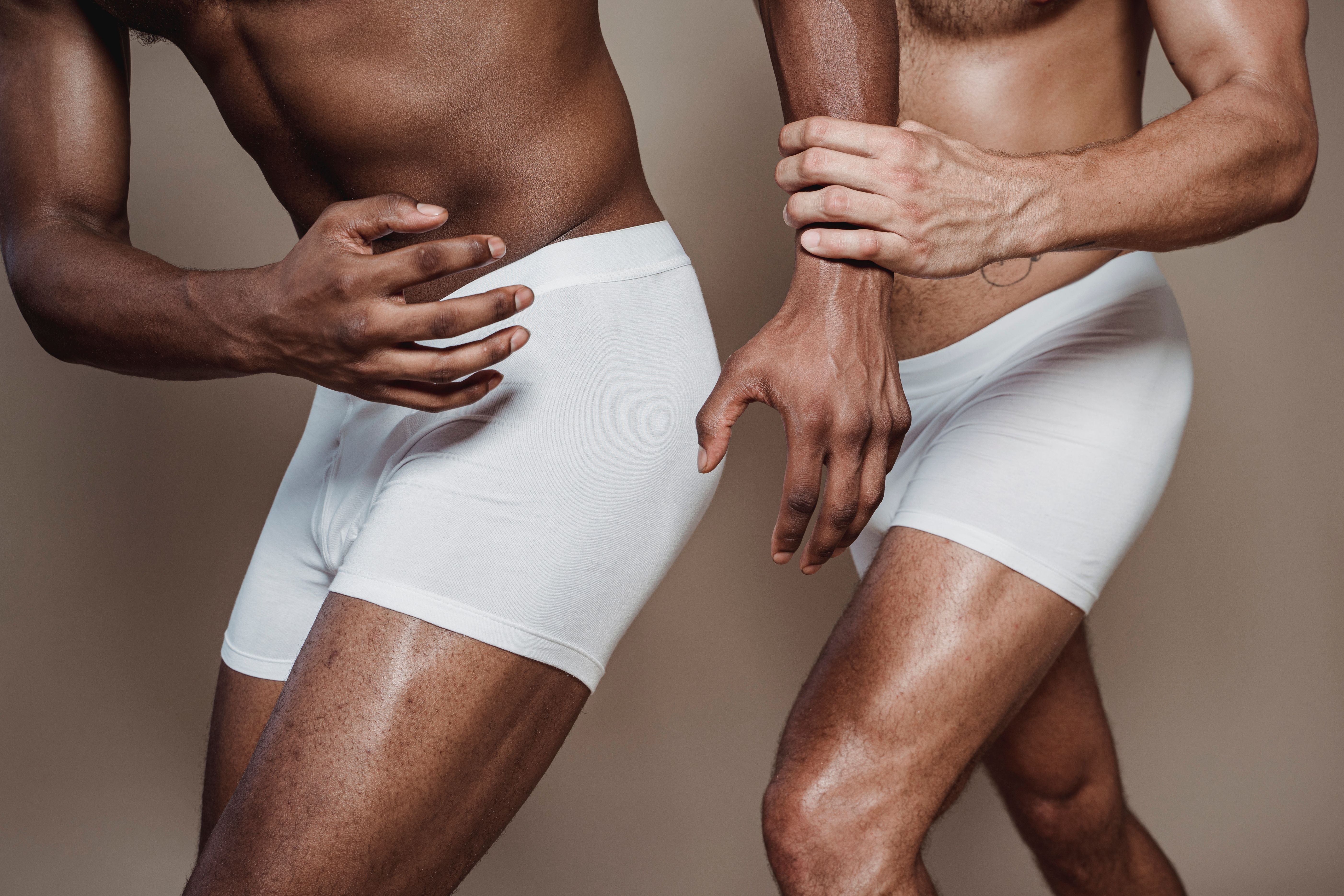
Popular styles for men
Once the reader moves past the label, the real conversation starts: which styles are actually worth trying? The answer depends on body shape, climate, comfort preferences, and how visible you want the garment to be under clothes. The list below is not a ranking. It is a map.
1. Lace briefs and trunks
These are the easiest entry point for many people. They keep the familiar underwear silhouette but replace the plain cotton look with more texture, stretch, and visual detail. Lace briefs can feel surprisingly light, while trunks offer a little more coverage and a more familiar shape. For someone trying lingerie-inspired pieces for the first time, this is often the least intimidating place to begin.
2. Mesh and sheer underwear
Mesh pieces are useful when breathability matters. They also give the wearer a lighter, more modern look without requiring a dramatic wardrobe shift. A good mesh pair should feel smooth, not scratchy. If the seams or waistband are irritating in the fitting room, they will be annoying all day. That is not a tradeoff worth romanticizing.
3. Bodysuits and slips
Bodysuits can sound ambitious, but they are one of the most practical lingerie-inspired pieces because they create a clean line under outerwear. A slip or bodysuit can layer well beneath a jacket, long shirt, or robe. It is also a style category where structure matters more than gender. Good shaping will always beat vague symbolism.
4. Jockstraps and harness-inspired pieces
These are often chosen for confidence, line, and visual structure. They are not for everyone, and that is fine. The point is not to push a single aesthetic. The point is to recognize that some men want underwear that feels more sculpted and intentionally styled than a standard brief. If that is the goal, this category can be effective.
5. Soft lounge sets
Not every lingerie-inspired piece needs to be overtly sexy. Some of the best modern options are the quiet ones: soft sets, satin shorts, relaxed tops, and layers that feel luxurious at home. If you spend a lot of time in your loungewear, this is where comfort and presentation can meet without friction.
Here is the practical test I use when comparing styles: if you wore it under a blazer, would it stay hidden and comfortable; if you wore it at home, would it still feel intentional? That simple question sorts out a lot of hype.
| Style | Best for | Watch for |
|---|---|---|
| Lace briefs | First-time experimentation, light coverage | Stretch quality and waistband comfort |
| Mesh trunks | Breathability and a modern look | Scratchy seams or weak elasticity |
| Bodysuits | Sleek layering and a polished silhouette | Torso length and closure placement |
| Jockstraps | Bold support and a sculpted feel | Pressure points and narrow bands |
| Lounge sets | Home wear and relaxed confidence | Fabric that pills or twists easily |
What to look for before you buy
Buying lingerie for men gets easier once you stop treating every purchase like a referendum on identity. It is not. It is a fit problem first. A style problem second. A confidence problem only when the first two have gone wrong.
Fabric comes first
Softness matters, but so does recovery. Stretch fabrics should return to shape after wear, and lace should have enough structure to hold the piece together without feeling rigid. If you sweat easily, look for breathable blends and smooth linings. If you are sensitive to texture, do not assume that delicate means comfortable. Some delicate fabrics are lovely to look at and annoying to wear. The body does not care about marketing copy.
Check the waistband and seams
A good waistband should stay put without digging in. Seams should lie flat and avoid the inner thigh or the center front in ways that create friction. These details sound small until you wear a bad pair for three hours. Then they become the only thing you can think about.
Pay attention to rise and pouch shape
Rise determines where the garment sits, and that changes everything from movement to layering. Pouch design matters too. A supportive pouch can make a piece feel more secure and much more wearable. If the shape is too shallow, the garment may look fine on the hanger but work badly in real life. Real life still wins, even in lingerie.
Choose a comfort level, not a costume
If you are trying the category for the first time, start with something you can imagine wearing on an ordinary Tuesday. Neutral colors, cleaner lines, and moderate coverage are easier to integrate than novelty pieces. Once you know what feels good, you can move toward bolder textures or more dramatic cuts. That progression is kinder to the body and the budget.
Brands and examples worth knowing
It helps to see what is already out there. That does not mean you need to shop every brand on the internet. It does mean you should know the category is real and established enough to have options. For a brand built specifically around the idea, HommeMystere is a useful example of how men’s lingerie can be presented as a normal product line rather than a novelty. For a broader look at supportive intimate apparel, Underworks shows how different bodies can be served by thoughtful construction and a clear fit focus.
Those links are not there to tell you what to buy. They are there to show the range of the market. Some brands lean playful. Some lean practical. Some lean toward shaping and support. The interesting part is that all of those directions can coexist. You do not need to pick one identity and stand still.
For a small retailer sorting out product photos, size charts, and return questions, AI consulting services can be a practical way to decide where automation actually helps.
When I compare brands, I look at four basic signals:
- How clear the sizing guidance is
- Whether the product photos match real wear, not just glossy mood
- How much support is built into the design
- Whether the return policy is reasonable enough to make experimentation safe
That last point is more practical than glamorous, but it matters. Lingerie is easier to explore when the risk is low.
What a good first purchase looks like in real life
If you want to try the category without overcommitting, make the first purchase boring in the best possible way. Choose one piece in a size you can verify, in a fabric you already know you tolerate, from a brand that explains its measurements clearly. That is not less stylish. It is simply a better way to learn what your body likes.
A good first purchase also respects your routine. If you work from home, you may care more about softness and ease of movement than about dramatic visual contrast. If you travel often, you may want pieces that pack small and dry quickly. If you wear fitted clothes, you may want a smooth profile and flatter seams. The category gets much easier once you decide which problem it is meant to solve.
I also recommend one small rule: buy for the next six weeks, not the next fantasy. The next six weeks are where the laundry, the workday, the heat, and the ordinary repeat itself. A piece that survives that rhythm is a keeper. A piece that only makes sense in theory is usually just expensive noise.
- Pick one style you can imagine wearing three times.
- Choose one fabric your skin already trusts.
- Check the seam placement before you fall in love with the photo.
- Compare the return policy before you compare the color.
That is a calmer way to shop, and calmer shopping usually produces better underwear. The body likes being consulted. It tends to vote early and often.
How to wear men’s lingerie with confidence
Confidence does not appear from nowhere. It usually follows fit, familiarity, and one successful wearing. That is the whole secret, if there is one. The first time you wear something new, you are often noticing the garment more than the garment is helping you. By the third or fourth wear, the piece has either earned a place in your routine or been quietly demoted.
Here are the habits that help the most:
- Start at home before you wear a new piece out.
- Try it under familiar clothes so you can check visibility and comfort.
- Use one bold element at a time if you are still adjusting.
- Wash delicate pieces according to the label so the fabric keeps its shape.
- Keep one “safe” pair in rotation so the experiment never feels like pressure.
The point is not to force a dramatic new image. The point is to make the category feel usable. Once something is usable, it becomes much less intimidating.
If you are buying for yourself, give yourself permission to prefer one benefit over another. Maybe you want softness more than sex appeal. Maybe you want support more than decoration. Maybe you want the garment to be invisible under clothes and beautiful when it is seen. Those are all legitimate goals. Not every piece has to do everything.
Why the stereotype is easier to break now
The old stereotype depended on the idea that gender and garment had to line up neatly. That idea is weaker now because shoppers have more language for comfort, identity, and aesthetic choice. Online stores also make the category easier to explore privately, which matters. A person can compare sizes, fabrics, and styles without standing under fluorescent lights while pretending they are “just browsing.” A mercy, honestly.
There is also a broader shift in how people think about masculinity. Plenty of men still prefer simple boxer briefs and never want more drama than that. Fair enough. But many others are discovering that masculinity does not become fragile the moment a waistband gets softer or a lace panel appears. That sounds obvious once stated plainly, but it has taken people a long time to say it out loud.
The real conclusion is modest: lingerie for men is not about replacing one standard with another. It is about making room for more than one standard at once. That is what progress usually looks like in clothing. Less noise. More options. Better fit.
Conclusion: make the garment serve the wearer
Men’s lingerie is growing because the old rules were too small for the range of bodies and tastes people actually have. Some shoppers want beauty. Some want support. Some want both. The smartest way to approach the category is not to overthink the label. Start with fabric, fit, and comfort. Then ask whether the style feels like you on an ordinary day.
If you want a simple next step, choose one style that feels approachable, check the sizing notes carefully, and try it at home before you decide anything larger about the category. That is how confidence usually works: not as a grand announcement, but as a small practical yes.
For more background on the site and its collections, you can revisit About Koni-Art or continue through the blog for related reading.
- Men’s lingerie is broader than one look or one body type.
- Comfort, support, and fabric quality matter more than labels.
- Brands now offer more options than the old stereotype suggests.
- The best choice is the one that fits your real life.